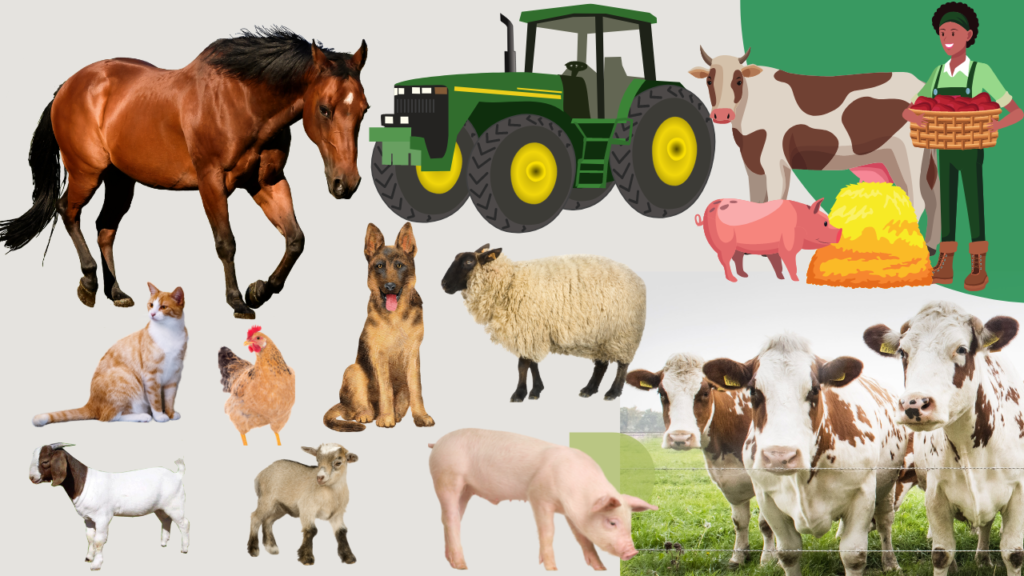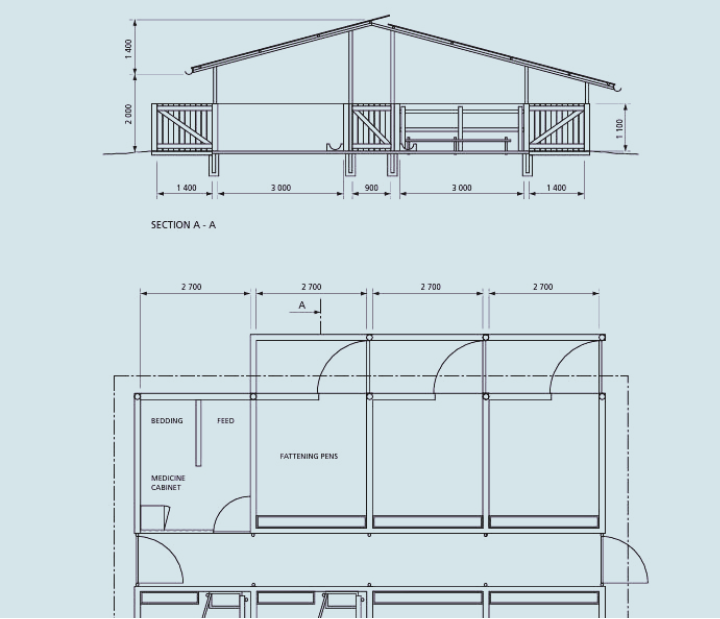
Developing proper animal housing is crucial for ensuring the health, safety, and well-being of animals. Whether you are setting up a farm, a pet shelter, or a zoo, ensuring that the structure meets essential standards is key to creating a functional and secure environment. Proper planning also helps comply with legal requirements and minimizes future costs due to maintenance or inefficiencies. Let’s go through the essential checks for successful animal housing development, covering critical areas like structure, ventilation, hygiene, compliance, and sustainability.
Understanding Animal-Specific Requirements
One of the first steps in developing animal housing is understanding the specific needs of the animals you will be accommodating. Different species have distinct requirements, and failure to meet these needs can lead to health issues, stress, and reduced productivity.
Animals require adequate space for movement, rest, and social interaction, as overcrowding can result in stress, aggression, and increased disease transmission. Ensuring the right space allocation is crucial in maintaining a healthy and harmonious environment.
Species-specific housing features are also essential in creating a suitable habitat. Livestock require durable flooring, proper drainage, and easy access to food and water stations to maintain hygiene and efficiency. Dogs and cats benefit from insulated shelters, designated play areas, and separate feeding spaces to promote comfort and well-being. Birds need properly designed perches, nest boxes, and predator-proof enclosures to ensure their safety and encourage natural behaviors. Considering these factors ensures that your housing meets animal welfare standards while maximizing efficiency.
Structural and Design Considerations
A well-designed animal housing structure should be durable, secure, and easy to maintain. It must protect animals from harsh weather conditions, predators, and potential hazards. Choosing the right materials is essential to achieving this, with non-toxic, durable, and weather-resistant options ensuring longevity and safety. Flooring must be non-slip and easy to clean to prevent injuries and hygiene issues, while walls and roofs should provide adequate insulation and soundproofing to enhance animal comfort.
Security measures are equally important to prevent escapes and unauthorized access. Enclosures should have secure fencing, and proper locking mechanisms should be installed to enhance safety. Additionally, animal-proof barriers should be used to keep predators and pests out, minimizing the risk of harm to the animals.
Effective drainage and waste management systems are critical in maintaining a clean and healthy environment. Housing should be designed with proper slopes and drainage systems to prevent waterlogging, while efficient waste disposal methods help to minimize odors and reduce the risk of disease transmission. By addressing these structural and design considerations during the planning phase, you can create a long-lasting, functional, and efficient facility.
Ventilation and Temperature Control
Proper ventilation and temperature control play a crucial role in maintaining animal health. Poor air quality and extreme temperatures can lead to respiratory issues, heat stress, and decreased productivity.
To ensure a well-ventilated environment, adjustable windows, vents, or mechanical fans should be installed to maintain a constant airflow. Natural ventilation systems such as ridge vents and side openings, can also enhance air circulation, while positioning air inlets strategically prevents drafts from directly hitting the animals, ensuring their comfort.
Regulating temperature is just as important in creating a comfortable living space. Proper insulation in walls and roofs helps maintain stable indoor temperatures, reducing the effects of extreme weather conditions. Cooling systems, such as fans, misters, or shaded areas, should be incorporated to prevent overheating, especially in warmer climates.
In colder environments, heating solutions like heating lamps or underfloor heating can be used to maintain appropriate temperatures. By ensuring optimal ventilation and temperature control, you can create a comfortable and disease-free environment that promotes animal well-being and productivity.
Hygiene and Sanitation Standards
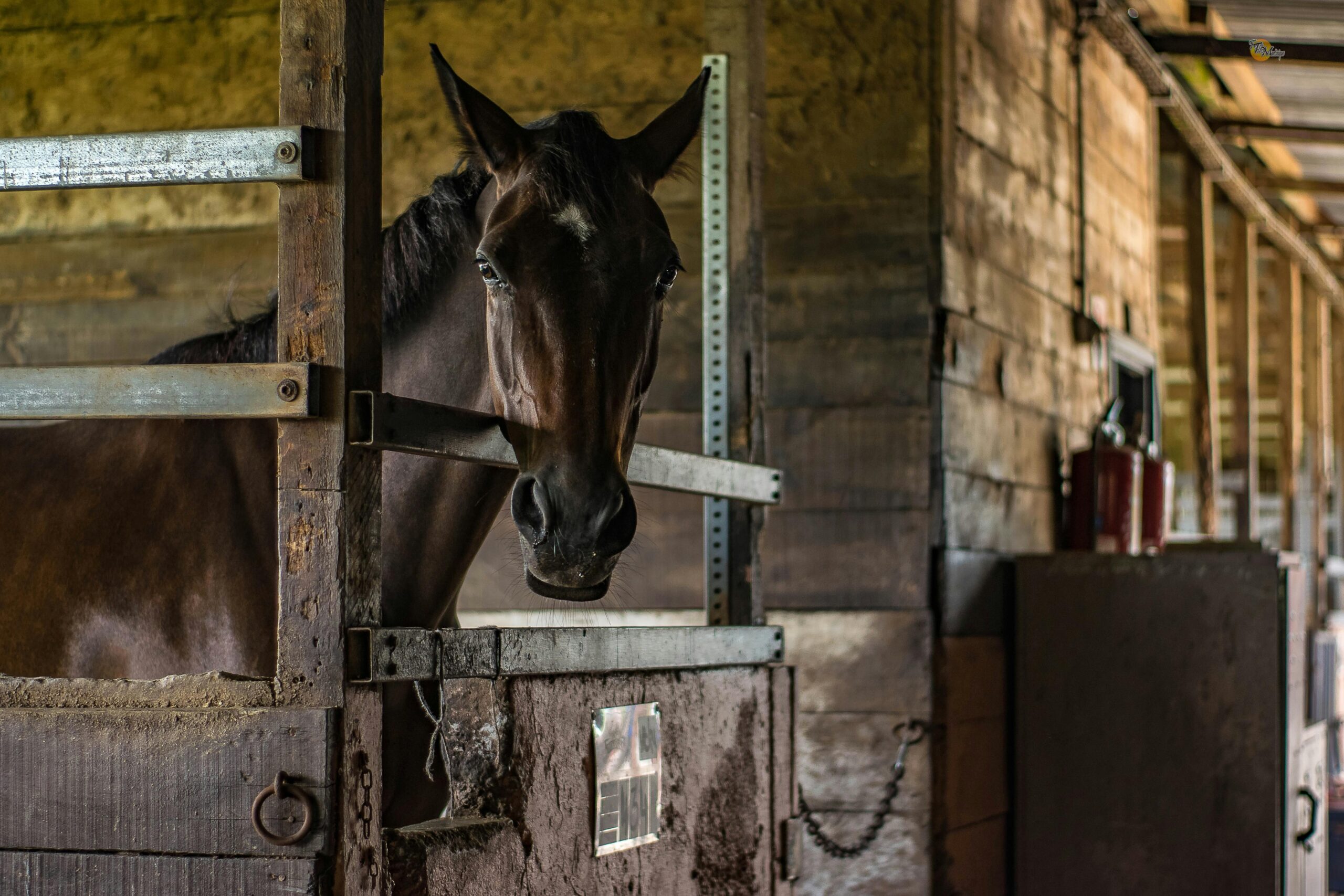
Clean and well-maintained housing is essential for preventing disease outbreaks and ensuring animal well-being. Regular sanitation minimizes bacterial growth, pest infestations, and foul odors. Daily cleaning of enclosures removes waste and uneaten food, while disinfecting surfaces regularly with animal-safe solutions helps prevent contamination.
Proper waste disposal through composting or designated waste areas reduces odor and health risks, and rodent and pest control measures are necessary to prevent infestations. A well-implemented hygiene routine keeps animals healthy and reduces the risk of disease transmission.
Legal and Compliance Requirements
Before constructing or modifying animal housing, it is important to understand the legal requirements and industry standards that apply to your region. Zoning laws and building permits must be adhered to in order to ensure compliance with local construction laws.
Animal welfare regulations dictate guidelines on space allocation, humane treatment, and housing conditions, while fire safety measures, such as fire extinguishers, emergency exits, and smoke alarms, are essential for emergency preparedness. Additionally, maintaining documentation on animal care and facility maintenance helps with regulatory compliance. Failing to comply with legal regulations can lead to fines, closure, or legal action, making thorough research and adherence crucial.
Sustainability and Eco-Friendly Practices
Sustainable animal housing minimizes environmental impact and can reduce operational costs over time. Implementing eco-friendly practices benefits both animals and the surrounding ecosystem. Energy-efficient lighting, such as LED bulbs, reduces energy consumption, while rainwater harvesting allows for water conservation in cleaning and irrigation. Solar power can be used for heating and electricity needs, and choosing recycled or sustainable building materials helps minimize waste. Sustainability in animal housing is not just good for the environment; it can also improve long-term cost efficiency and facility resilience.
Despite the best intentions, many housing projects fall short due to overlooked factors. Overcrowding leads to stress, injuries, and higher disease transmission, making it essential to follow space recommendations for each species. Poor ventilation results in respiratory issues and increased illness rates, emphasizing the need for natural and mechanical ventilation systems.
Inadequate waste management can lead to odor buildup, contamination, and pest infestations, so establishing a strict cleaning and disposal routine is necessary. Additionally, failing to plan for future expansion can create problems as the facility grows, so leaving room for modifications or extensions ensures adaptability. Avoiding these mistakes ensures a more effective and long-lasting animal housing setup.
Building safe and efficient animal housing requires a well-rounded approach that includes structural integrity, proper ventilation, hygiene standards, compliance with laws, and sustainability. Ensuring adequate space allocation, durable and secure materials, and proper ventilation creates a foundation for a successful facility. Implementing hygiene and sanitation plans, complying with legal and safety regulations, and incorporating sustainability measures enhance the long-term viability of the housing. Planning for future expansion ensures adaptability and efficiency. By following these essential checks, you can ensure a well-functioning animal housing facility that meets ethical and practical requirements.
Looking for professional advice on animal housing development? Reach out to experts to ensure compliance and efficiency!