Integrated Fly Management (IFM)
Integrated Fly Management (IFM) is a holistic, preventive, and science-based strategy for controlling fly populations in livestock systems. Rather than relying on a single control method, IFM combines multiple complementary practices that target flies at different stages of their life cycle. The goal is not to eliminate every fly—which is unrealistic—but to keep populations below levels that cause disease, stress, and productivity losses.
IFM is considered the gold standard in modern livestock production because it addresses the root causes of fly infestations, not just the visible symptoms. By focusing on prevention, environmental management, and strategic intervention, IFM delivers longer-lasting results with lower costs and reduced environmental and health risks.
Why Single-Method Fly Control Fails
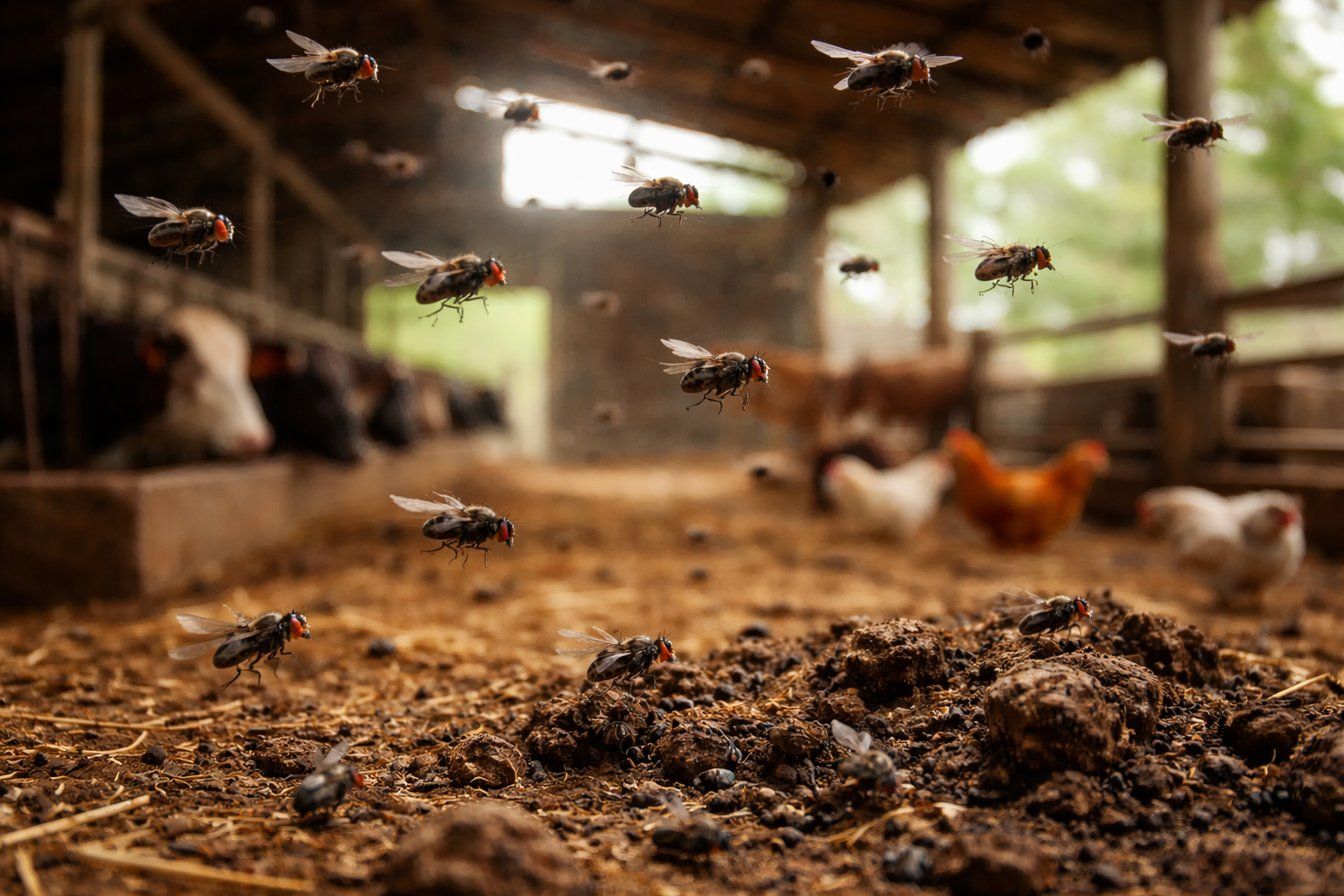
Many farms struggle with flies because they depend on one primary method—usually chemical sprays. While insecticides may temporarily reduce adult fly numbers, they do little to stop continuous breeding in manure, wet bedding, and waste areas. Adult flies are mobile and short-lived, but breeding sites produce new generations rapidly, quickly reversing any short-term gains.
Single-method control also accelerates insecticide resistance, making chemicals less effective over time. Without sanitation, environmental improvements, and alternative control tools, farmers are forced into frequent spraying cycles that increase costs, labor, and residue risks while delivering diminishing returns. IFM overcomes these limitations by attacking the fly problem from multiple angles simultaneously.
The Four Pillars of Integrated Fly Management
Successful IFM is built on four interdependent pillars. Weakness in any one area reduces overall effectiveness, while strong integration delivers consistent and sustainable control.
Sanitation
Sanitation is the foundation of all fly control programs. Removing manure, wet bedding, spilled feed, and organic waste eliminates the primary breeding sites where flies lay eggs and larvae develop. Frequent cleaning, proper manure storage, composting, and dry housing conditions can reduce fly populations dramatically—often by more than half—before any other control measures are applied.
Environmental Control
Environmental control focuses on making livestock housing less favorable for fly survival. Proper ventilation reduces humidity and heat, while good drainage prevents standing water and persistent damp areas. Housing design improvements such as slatted floors, raised feed areas, and sealed cracks remove hidden breeding zones. Together, these measures slow fly development and reduce survival rates.
Biological and Mechanical Methods
Biological and mechanical controls suppress fly populations without relying heavily on chemicals. Biological tools include beneficial insects such as parasitic wasps and predatory beetles that attack fly pupae. Mechanical methods—such as traps, sticky tapes, UV light systems, and screens—help reduce adult fly numbers in critical areas like milking parlors and feed zones. These methods work best when supported by strong sanitation and environmental control.
Strategic Chemical Use
Chemical control remains an important part of IFM but must be used strategically and responsibly. Targeted applications, proper dosing, and rotation of active ingredients help control fly populations while minimizing resistance development and residue risks. In IFM, chemicals are used to support other control measures—not replace them.
Integrated Fly Management transforms fly control from a reactive, short-term struggle into a proactive, sustainable management system. By combining sanitation, environmental design, biological and mechanical tools, and strategic chemical use, farmers can achieve reliable fly control that protects animal health, improves productivity, and supports long-term farm sustainability.
Farm Hygiene and Waste Management (Primary Control Layer)
Farm hygiene and waste management form the primary and most cost-effective layer of Integrated Fly Management (IFM). Without proper sanitation, all other fly control measures—biological, mechanical, or chemical—deliver limited and short-lived results. Flies depend on organic waste and moisture to reproduce, and farms that consistently remove these resources experience significantly lower fly pressure than those that rely on reactive treatments.
Manure Management
Effective manure management is the single most important step in reducing fly populations. Manure provides the ideal medium for fly eggs and larvae, especially when it is moist and mixed with feed or bedding. Daily or frequent manure removal in zero-grazing units, feedlots, poultry houses, and pig pens interrupts the fly life cycle before larvae can mature. Even in less intensive systems, regular removal during warm and wet periods is essential.
Once removed, manure should be handled correctly. Composting best practices—including proper aeration, moisture control, and turning—raise internal temperatures high enough to destroy fly eggs and larvae. Poorly managed compost piles, however, can become major breeding sites, undoing the benefits of manure removal.
Manure must also be stored in safe, designated locations well away from animal housing, feed storage, and water sources. Storage areas should be well drained and protected from rain to prevent persistent moisture. Proper manure management not only controls flies but also improves nutrient recycling and reduces environmental contamination.
Bedding and Housing Cleanliness
Bedding condition plays a critical role in fly control. Dry bedding is essential, as fly larvae cannot survive in dry environments. Wet or compacted bedding, on the other hand, provides warmth, moisture, and protection for developing larvae. Farms should regularly monitor bedding moisture levels, especially around water points, resting areas, and corners with poor airflow.
Choosing the right bedding materials also matters. Materials that absorb moisture effectively and dry quickly—such as wood shavings, chopped straw, or sand in dairy systems—help limit fly development when managed correctly. Regardless of material, bedding must be replaced or refreshed before it becomes damp and contaminated.
Consistent cleaning schedules are key to success. Waiting until fly populations are visible often means breeding has already occurred. Scheduled cleaning of housing, walls, corners, and resting areas prevents waste buildup and maintains an environment that discourages fly survival.
Feed and Water Hygiene
Feed and water areas are often overlooked sources of fly problems. Preventing feed spills reduces both adult fly attraction and larval development. Feed bunks and troughs should be properly designed to minimize waste and cleaned regularly to remove spoiled or fermenting feed.
Cleaning water troughs is equally important. Organic matter, algae, and spilled feed around water points create moist breeding zones. Regular scrubbing and proper drainage around troughs help eliminate these risks.
Finally, farms must prioritize eliminating standing water. Poor drainage, leaking pipes, and blocked gutters create persistent wet areas that support fly breeding even when manure is well managed. Improving drainage and repairing leaks can dramatically reduce fly pressure with minimal cost.
Strong hygiene and waste management practices do more than control flies—they improve overall farm health and reduce the risk of chemical exposure and contamination.
By treating sanitation as a daily management priority rather than a periodic task, farmers establish a strong foundation for effective, long-term fly control.
Housing Design and Environmental Control
Housing design and environmental management are critical components of Integrated Fly Management (IFM) because they directly influence temperature, humidity, and waste accumulation—the key factors that determine fly survival and reproduction. Even with good sanitation, poorly designed or poorly ventilated housing can maintain microclimates that favor fly development. Improving housing conditions reduces fly pressure while simultaneously enhancing animal comfort, health, and productivity.
Ventilation and Humidity Control
Effective ventilation is one of the most powerful, yet often underutilized, tools in fly control. Natural ventilation relies on open sides, ridge vents, and proper building orientation to allow air to flow freely through animal housing. When well designed, it is energy-efficient and highly effective in reducing heat and humidity, particularly in warm climates.
In more intensive systems, mechanical ventilation—including fans and controlled airflow systems—provides consistent air movement where natural ventilation alone is insufficient. Mechanical systems are especially important in poultry houses, pig units, and enclosed dairy facilities, where high stocking densities generate excess moisture.
Roof design and airflow play a major role in ventilation efficiency. High roofs, ridge openings, and reflective roofing materials reduce heat buildup, while proper roof pitch encourages warm, moist air to rise and exit the building. Poor roof design traps humidity, creating ideal conditions for fly breeding.
To further limit fly development, farms should implement moisture reduction strategies such as repairing leaking drinkers, improving drainage around housing, using absorbent bedding, and increasing air movement in damp zones. Lower humidity slows fly development and reduces larval survival.
Structural Improvements
Targeted structural upgrades can dramatically reduce fly breeding opportunities. Slatted floors, where appropriate, allow manure and urine to fall away from animals, reducing direct contact with waste and limiting larval development. These systems are particularly effective in pig housing and some dairy units.
Raised feeding areas prevent feed from mixing with manure and moisture, reducing both adult fly attraction and breeding potential. Well-designed feed bunks and troughs also minimize spillage, further supporting hygiene efforts.
Reliable drainage systems are essential for environmental control. Sloped floors, drainage channels, and properly positioned outlets prevent standing water, which is one of the most persistent fly breeding triggers. Even small, unnoticed wet spots can sustain fly populations.
Finally, sealing cracks and damp corners eliminates hidden breeding and resting sites. Flies often exploit poorly maintained walls, floors, and structural joints where moisture and organic matter accumulate. Regular inspection and maintenance help keep housing fly-unfriendly.
System-Specific Housing Tips
Different livestock systems present unique fly control challenges and require tailored housing strategies.
In zero-grazing units, frequent manure removal, excellent ventilation, and dry bedding are essential. Because animals are continuously confined, even minor hygiene lapses can quickly escalate into major fly problems.
Poultry houses demand strict litter management and controlled ventilation. Maintaining dry litter through adequate airflow and timely litter replacement is critical, as wet litter rapidly supports fly breeding.
In pig housing, slurry management is central to fly control. Regular removal, effective ventilation, and slatted floors significantly reduce moisture and breeding sites. Attention to drinker leakage is particularly important in these systems.
For dairy parlors, fly control must focus on cleanliness, airflow, and waste management in milking areas. Good ventilation, regular washing, and proper manure handling reduce contamination risks and improve both animal welfare and milk hygiene.
Well-designed housing and effective environmental control transform fly management from a constant struggle into a preventive system. By reducing moisture, improving airflow, and eliminating structural breeding sites, farms create conditions where flies struggle to survive—supporting healthier animals and more efficient production.
Chemical Fly Control: Strategic and Responsible Use
While sanitation, environmental management, and biological or mechanical methods form the backbone of fly control, chemical interventions remain a valuable tool in Integrated Fly Management (IFM). When used strategically and responsibly, chemicals can reduce adult fly populations quickly, complement other control measures, and help maintain farm productivity. However, misuse can lead to resistance, environmental harm, and safety risks, making informed application essential.
Types of Chemical Controls
Several chemical options are available for fly management, each suited to specific purposes:
-
Sprays: Contact insecticides applied to walls, ceilings, or animal housing surfaces target adult flies directly. They are best used as part of a coordinated IFM program rather than as the sole control method.
-
Pour-ons: These are applied directly to animals and work by killing or repelling biting flies such as stable or horn flies. Pour-ons are effective in reducing irritation and blood loss, especially in cattle.
-
Ear tags: Insecticidal ear tags release chemicals gradually to protect individual animals from biting flies. They are particularly effective in cattle herds and should be combined with other control measures for best results.
-
Larvicides: These target fly eggs or larvae in manure and breeding substrates. When applied correctly, larvicides prevent the emergence of new adult flies, complementing sanitation efforts, and breaking the fly life cycle.
Avoiding Insecticide Resistance
A critical consideration in chemical fly control is preventing resistance, which occurs when flies survive repeated exposure to the same insecticide class. To minimize resistance:
-
Rotate active ingredients regularly, ensuring that flies are not continually exposed to a single mode of action.
-
Apply chemicals strategically, focusing on high-risk areas or peak fly activity rather than the entire farm indiscriminately.
-
Avoid blanket spraying, which wastes chemicals, increases costs, and accelerates resistance while harming beneficial insects and predators.
Adopting these practices extends the effectiveness of chemical products and supports long-term sustainability.
Safety and Compliance
Responsible chemical use requires attention to animal, human, and environmental safety:
-
Withdrawal periods must be observed to prevent chemical residues in milk, meat, or eggs.
-
Environmental protection is critical; avoid contamination of water sources, soil, and non-target organisms.
-
Worker safety includes proper personal protective equipment (PPE), safe handling, and adherence to label instructions.
Chemicals are most effective when used as part of an integrated system that prioritizes hygiene, environmental control, and biological measures. They should complement, not replace, these sustainable practices.
👉 Related read: Safe Chemical Use in Livestock Farms
Strategic, responsible chemical interventions, combined with other IFM components, give farmers a powerful toolkit to control flies, protect livestock, and maintain productivity safely and sustainably.
Smart Farming and Technology-Driven Fly Control
Modern livestock farming is increasingly embracing smart technologies to improve efficiency, reduce labor, and enhance sustainability. Fly control is no exception. While traditional sanitation and housing improvements remain critical, automation, sensors, and AI-driven solutions are transforming how farmers monitor and manage fly populations, allowing for more precise, proactive, and effective interventions.
Automation and Precision Tools
Automated manure scrapers are an excellent example of technology reducing fly breeding sites while saving labor. By continuously removing manure from zero-grazing units, feedlots, and pig housing, these systems minimize the moist substrates that flies need for reproduction. The result is fewer flies, healthier animals, and more consistent housing hygiene without daily manual effort.
Precision spraying systems further enhance control by delivering insecticides exactly where and when they are needed. Instead of broad, blanket applications, precision sprayers target high-risk zones and peak fly activity periods. This not only improves effectiveness but also reduces chemical usage, exposure risk, and costs.
Digital Monitoring and AI
Emerging digital monitoring tools and AI systems provide farmers with real-time insights into fly activity and environmental conditions. Sensors can track temperature, humidity, and fly counts in specific areas of housing, alerting farmers to rising populations before infestations reach damaging levels. These data-driven insights enable hygiene and waste management schedules to be adjusted dynamically, ensuring interventions occur at the most critical times.
AI-powered platforms can also integrate multiple data sources—weather forecasts, animal behavior, and housing conditions—to generate early warning systems. By predicting periods of high fly pressure, farmers can implement targeted control measures proactively rather than reactively.
Benefits of Tech-Enabled Fly Management
Adopting technology-driven fly control delivers multiple benefits:
-
Reduced labor: Automated scraping and sensor-based alerts cut the time and effort required for manual cleaning and monitoring.
-
Lower chemical use: Precision interventions reduce reliance on insecticides, helping prevent resistance and chemical residues.
-
Improved consistency: Continuous monitoring and automated interventions ensure fly management remains effective, even during peak breeding seasons or when farm labor is limited.
By integrating automation, precision tools, and AI-driven monitoring with traditional IFM practices, farms can achieve a modern, climate-smart, and sustainable approach to fly control—protecting livestock health, boosting productivity, and reducing environmental impact.
Common Fly Control Mistakes Farmers Should Avoid
Even with the best intentions, many farmers make mistakes that undermine fly control efforts. Recognizing and avoiding these pitfalls is essential for long-term success:
-
Ignoring breeding sites: Focusing solely on adult flies without eliminating manure, wet bedding, and spilled feed allows populations to rebound rapidly. Breeding sites are the root of the problem.
-
Overreliance on chemicals: Using insecticides as the only control strategy can lead to resistance, chemical residues, and environmental harm. Chemicals should support—not replace—sanitation, housing improvements, and biological controls.
-
Poor trap placement: Traps are only effective if placed strategically near high fly traffic areas but away from feed, water, or direct animal contact. Misplaced traps waste resources and reduce control efficiency.
-
Inconsistent sanitation: Skipping cleaning schedules or neglecting corners and hidden areas allows flies to thrive. Consistency is critical; irregular hygiene undermines all other control measures.
-
Delayed response to early fly buildup: Waiting until fly numbers become obvious often means the population has already multiplied extensively. Early intervention is far more effective and cost-efficient.
Key Takeaways and Best-Practice Checklist
Effective fly control depends on prevention, integration, and consistency. Farmers should remember the following principles:
-
Sanitation is non-negotiable: Regular removal of manure, wet bedding, and spilled feed forms the foundation of fly management.
-
Integration beats single solutions: Combine sanitation, housing improvements, mechanical/biological controls, and strategic chemical use for long-term results.
-
Climate-smart approaches are essential: Monitor environmental conditions, adapt strategies seasonally, and leverage technology to stay ahead of fly pressure.
-
Fly control equals better welfare and profits: Healthy, comfortable animals are more productive, reducing losses in milk, meat, and feed efficiency.
Farmers and livestock managers can take immediate steps to improve fly management:
-
Assess your farm fly risk: Identify breeding sites, high-traffic areas, and vulnerable livestock zones.
-
Implement at least one new control measure this week: Start with simple interventions like daily manure removal, installing a trap in a high-fly area, or adjusting bedding to reduce moisture.
By acting proactively, farms can reduce fly populations, protect animal health, and enhance overall productivity, building a more sustainable and profitable livestock operation.