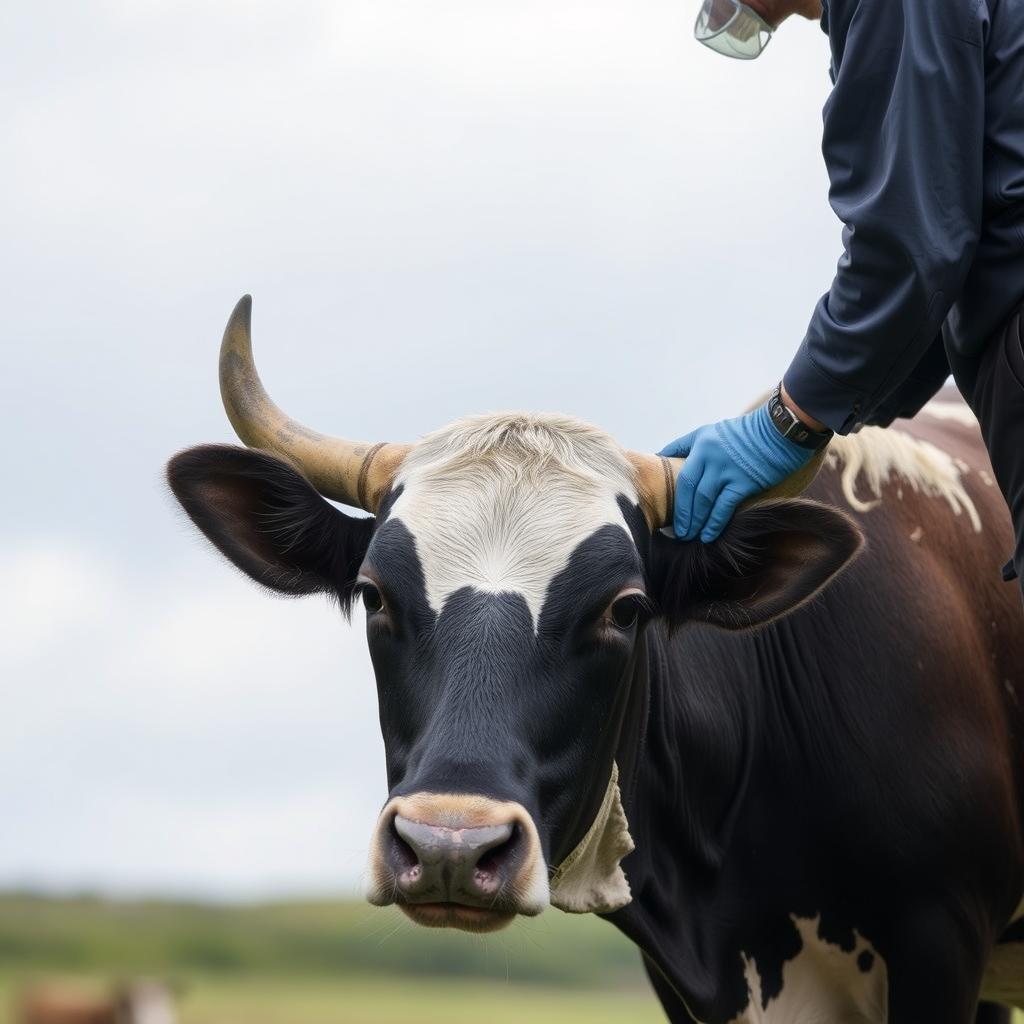
Dehorning is a common practice in animal husbandry, particularly in cattle and goat farming. It plays a crucial role in farm management, safety, and productivity. However, ethical concerns regarding animal welfare make it essential to adopt humane dehorning methods. Let us explore the significance of dehorning, its role in livestock management, and the best practices for minimizing animal discomfort.
Understanding Dehorning
Dehorning refers to the removal of horns or horn buds from livestock to improve safety and management efficiency. Horns are natural growths found in cattle, goats, and other ruminant species, primarily composed of keratin with a bony core. While they function naturally in the wild, they can pose risks in a farming environment.
Historically, dehorning has been practiced for centuries as a means to prevent injuries among animals and handlers. Traditional methods included crude cutting techniques, but modern advancements have introduced humane approaches that prioritize animal welfare.
Role of Dehorning in Animal Husbandry
Dehorning is widely adopted in modern farming due to its numerous benefits, particularly in improving safety, farm management, and overall productivity. Horned animals pose a risk of injury to themselves, other livestock, and farm workers, whether through accidental or aggressive behavior. By removing horns, farmers can significantly reduce these risks, creating a safer environment for both animals and handlers.
Beyond safety, dehorning also enhances farm management by making livestock easier to handle. Dehorned animals experience less stress during routine procedures such as transportation, veterinary care, and confinement, ultimately contributing to more efficient herd management.
The economic advantages of dehorning are also substantial. Horn-related injuries can lead to infections, reduced milk or meat production, and even the loss of valuable livestock. By mitigating these risks, farmers can ensure better productivity and profitability.
Farms that practice dehorning record low injury rates and improved herd cohesion. Without the presence of horns, livestock interactions tend to be less aggressive, fostering a more peaceful and manageable environment. By prioritizing safety, efficiency, and economic stability, dehorning remains a widely utilized practice in modern livestock operations.
Ethical Considerations and Best Practices
While dehorning offers several benefits, it raises ethical concerns related to animal welfare. Pain and stress associated with the procedure have led to increasing emphasis on humane techniques and regulatory guidelines. As awareness of these issues grows, there is increasing emphasis on humane techniques and regulatory guidelines to minimize animal suffering.
Dehorning can cause significant discomfort, making pain management a crucial aspect of the process. Farmers are encouraged to use anesthetics and analgesics to reduce distress and promote animal well-being.
The timing of dehorning plays a vital role in its impact on livestock. Performing the procedure at an early age, ideally when horn buds are just beginning to develop, is considered the most humane approach. Early disbudding using a hot iron or caustic paste is less invasive and results in lower stress levels compared to mechanically removing mature horns.
To further ensure ethical practices, many countries have implemented regulations that mandate humane dehorning techniques. Animal welfare organizations advocate for strict adherence to pain management protocols and encourage the adoption of alternatives that eliminate the need for dehorning altogether.
One such alternative gaining traction is selective breeding for polled livestock, which are naturally hornless. Through genetic selection, farmers can reduce the necessity for dehorning while maintaining herd productivity and efficiency.
By prioritizing humane methods and considering ethical alternatives, the livestock industry can balance animal welfare with practical farm management, ensuring sustainable and responsible practices in animal husbandry.
Dehorning remains a key practice in livestock farming, balancing farm safety with ethical considerations. By adopting humane techniques, adhering to regulatory guidelines, and exploring alternatives like polled genetics, farmers can ensure animal welfare while optimizing farm operations. Ethical dehorning practices improve farm safety and align with modern livestock management standards.
The Economic and Management Benefits of Dehorning in Livestock Farming

Pingback: Alternatives to Dehorning in Modern Farming – TechAnimal Hub