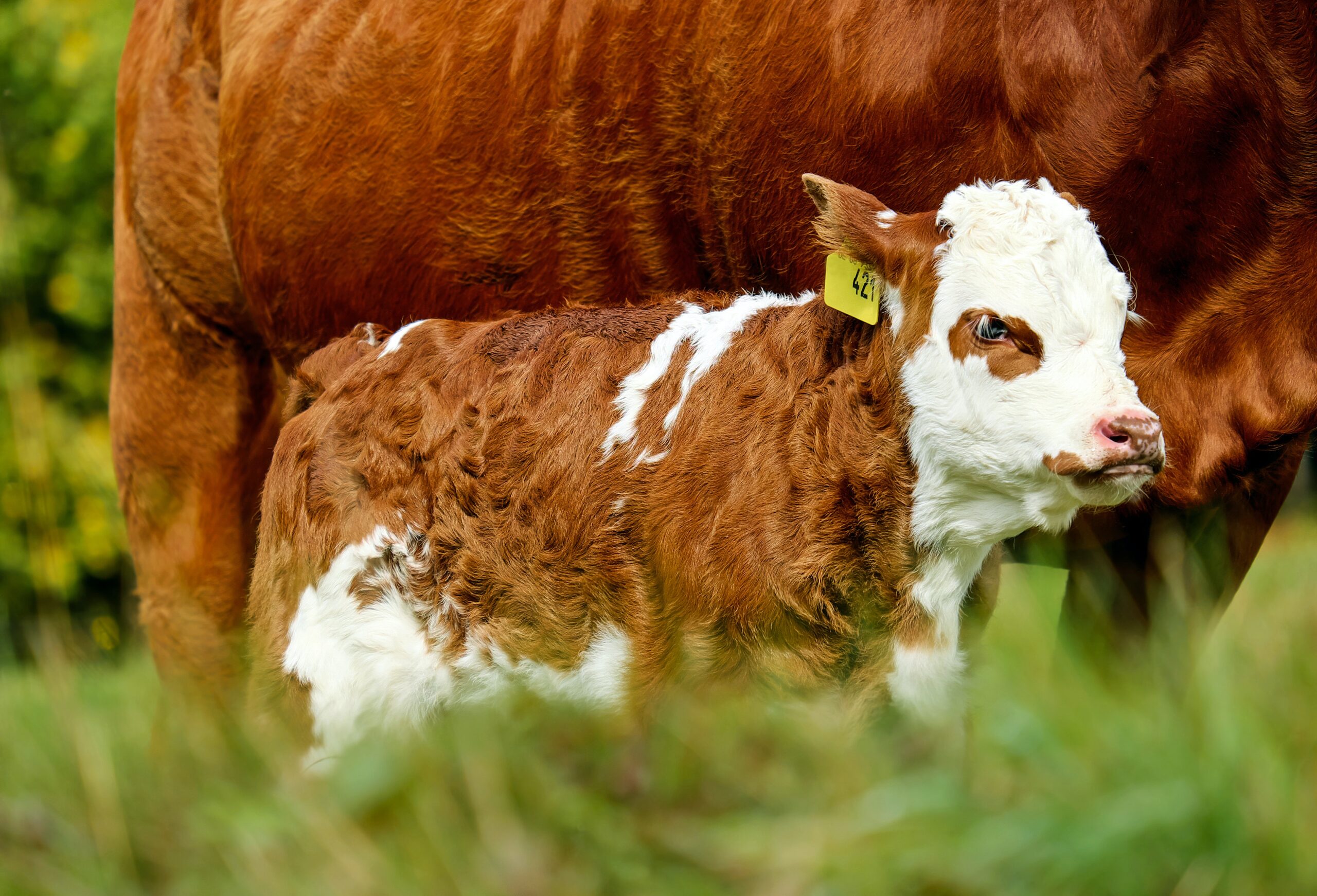
Heat or estrus in cattle is the time period after an average of 18-24 days that sexually mature and non-pregnant female cattle are receptive to mounting by bulls and ready to be bred. Proper detection of heat in cattle is important in breeding programs and a key influence on the efficiency of services like artificial insemination. Heat detection is also critical to identifying puberty onset in heifers, confirming breeding success, and evaluating the regularity of oestrous cycles.
The accurate detection and interpretation of heat signs in dairy cows are crucial for several reasons:
Breed in Time
By accurately dictating the heat signs of your cattle, you identify the optimal time for breeding or artificial insemination. Cows are only receptive to mating and can conceive during a specific period of their estrus cycle. By detecting the heat signs, you can ensure that cows are bred at the right time and maximise the chances of successful conception and pregnancy.
Streamline Reproduction cycles
Through accurate heat detection, you can efficiently plan reproductive management. Farmers can synchronize breeding within the herd, ensuring a regular calving interval. This helps maintain steady milk production of a consistent supply of replacement heifers.
Save on costs
Accurate heat detection promotes timely breeding in a farm based on heat signs thus reducing the need for repeated breeding activities like artificial inseminations. This reduces the cost of semen and reproductive management services which are expensive. It also helps a farmer to avoid prolonged calving intervals due to missed heat cycles that cause non-productive periods resulting in financial losses.
Improve on Genetics
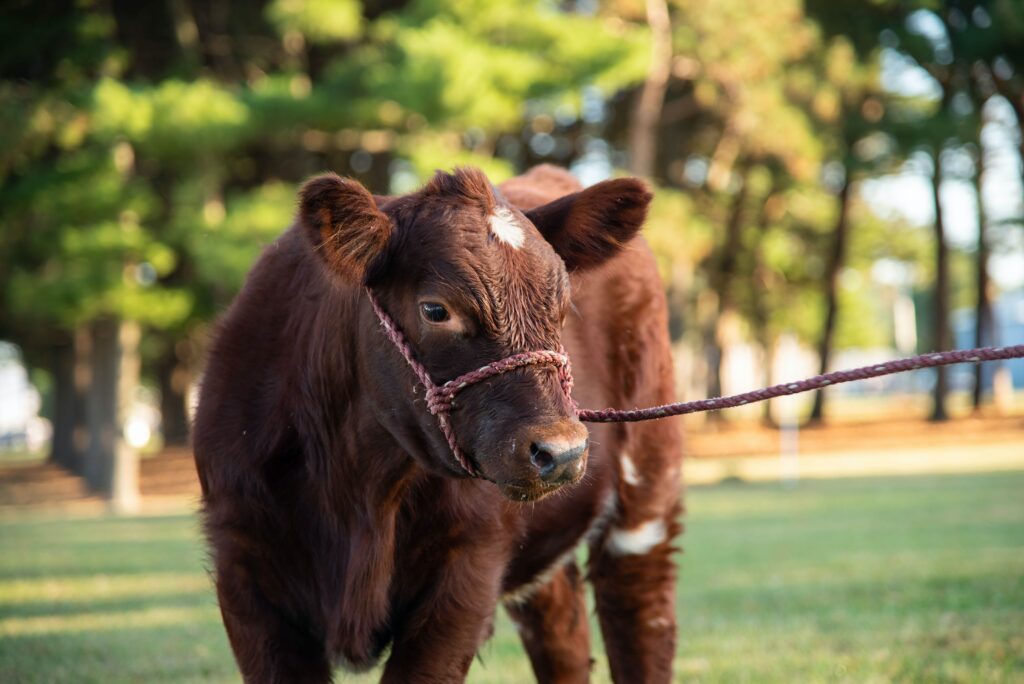
Accurate heat detection is vital to promoting effective genetic selection practices for the improvement of the herd. By accurately identifying cows in heat, you can select the most suitable sires that have desired genetic traits for breeding. This promotes the improvement of the overall genetic potential of your herd for traits such as milk production, disease resistance, and other desirable characteristics.
Monitor Your Herd Health
Heat signs are a good indicator of the overall reproductive health of the cow. By identifying abnormalities or irregularities in heat signs. You can diagnose underlying reproductive disorders, infections, or hormonal imbalances that may need veterinary attention. Detecting these issues early on can help prevent further complications and improve the overall health and fertility of the herd.
Operational Efficiency
Efficient heat detection allows for better planning and management of farm operations. It helps farmers optimize their resources, including labor, feed, and facilities, by aligning breeding schedules, calving, and milk production cycles. This improves overall farm productivity and profitability.
The accurate detection and interpretation of heat signs in cattle play a vital role in reproductive management, genetic improvement, cost savings, and overall herd health. effective heat detection promotes informed decision-making, improves breeding efficiency, and maintains productive and sustainable cattle farming.

Nice article so engaging
Thank you! We are glad you found the article engaging. Understanding the importance of efficient cattle heat detection underscores the significance of leveraging technology and best practices to improve animal welfare and farm management efficiency.
???Well detailed
Thank you for acknowledging the detail in the article. Keep it locked for more insights into livestock keeping practices.
Pingback: Heat Signs in Cattle – TechAnimal Hub