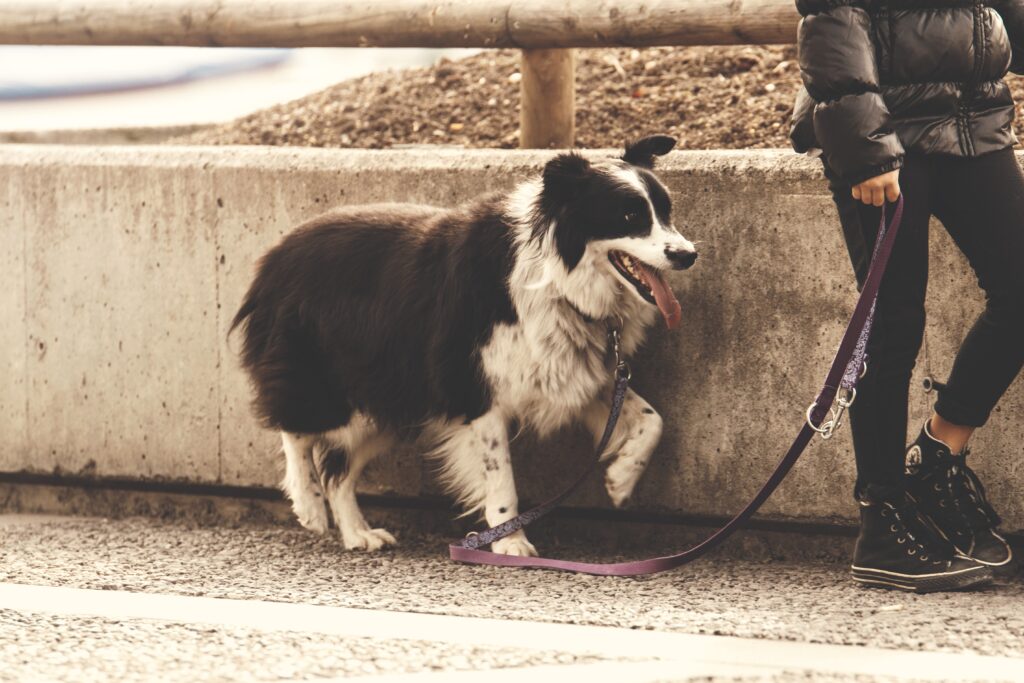
The excitement of your dog every time you mention the word “walk” is undoubtedly an exciting scene as they are joy-filled on the idea of going out. In most cases, your dog is left confined to your house as you work with randomly selected occasions that they can go out. Many relate the irregularity of dog walking routines as the cause of the dog’s happiness when offered the exercise. It is however recommended to make walking your dog a 30-minute daily routine as it is beneficial to you and the dog in many aspects as explored below.
Why Take Your Dog for a Walk?
Socialization Development
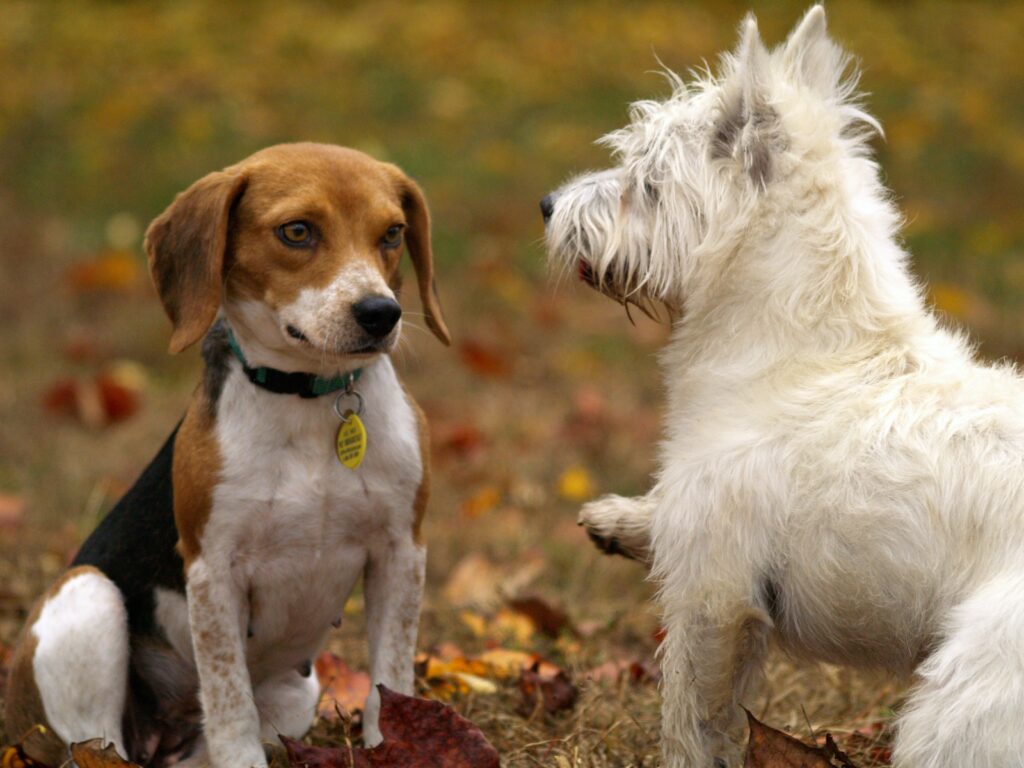
Dogs love to explore new surroundings, people, or situations around them. During the dog walks, they get the chance to explore new situations that help them adapt to changes around them.
Occasionally changing your dog’s walking routes exposes them to a variety of environments that you can assess their response to and correct appropriately. This ensures you correct your dog’s reactions to events around you to promote desirable habits around new people, animals, or environments.
Build a strong bond with your Dog
The excitement of your dog on walks indicates the high reward associated with spending time with your pet. Through the walks, your dog builds trust in your leadership in catering to their needs from this joy-filled exercise. In return, the bond between the dog and you strengthen. Dogs view walking as a reward and thereby reinforce trust and your leadership role as you explore the outside environment thereby fostering bonding.
Offers an opportunity for training
Spending quality time with your dog on walks allows you to teach them tricks and commands. Dog walking will require establishing your leadership which offers the perfect opportunity to train them to follow your lead. Sit, stay, and heel are some of the commands that you can introduce and other fun tricks when out for a walk.
Body Conditioning, joint, and Weight Check
Dog walking is an important exercise that keeps your dog’s weight and conditioning as an outlet for calories gained. An obese dog is likely to develop health complications like cancer, hypertension, and heart attack. Through regular dog walks, you burn the excess calories in the dog. This promotes a healthy way of keeping fit and avoiding unnecessary weight gain for you and the dog.
Weak joints due to lack of exercise may cause immobility. Going out for a walk with your dog ensures that the joints are active and do not become stiff. This preserves the health of your joints and muscles functioning which promotes mobility and activeness of your dog.
Improve urinary and Digestive Health
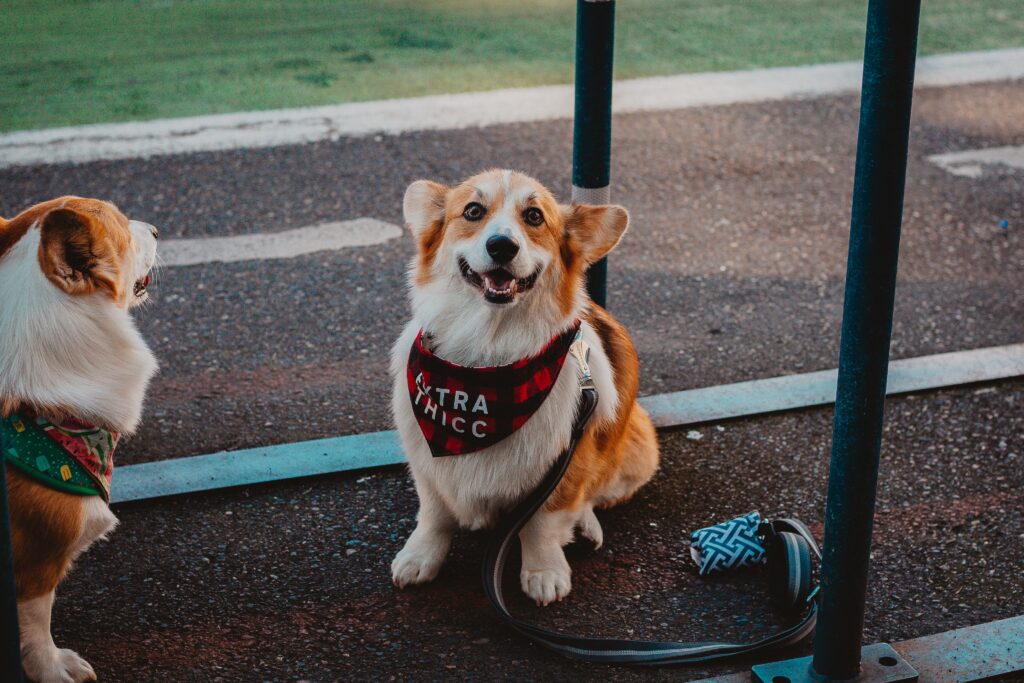
Walking is an exercise that promotes digestion and reduces constipation for your dog. As a routine exercise, dog walking can also help build a relief schedule. Dog walk ensures they empty their bladder regularly to avoid infections at particular places conveniently. Always carry a plastic bag and scoop to clean your dog’s poo. When going out for a walk, your dog will be conditioned to relieve itself regularly when outdoor. Outdoors are generally a good place that they can easily go as they are not confined and are relaxed.
Confidence Boost
Shy and fearful dogs can develop confidence when exposed to playtime and walk as they familiarize themselves and interact with objects and people around them. As they walk around and engage in different objects and environments regularly, they grow comfortable around them as they begin to enjoy the walks gaining confidence.
Reduce destructive tendencies through the mental workout
Walking your dog is a mental exercise that keeps them excited when outdoors as they explore the new environment. They continuously engage in identifying smells, noise, and sights that keep them occupied. This provides crucial physical and mental exercise as they move around navigating the area. If the dog is confined to the house, they are likely to become bored and engage in destructive and aggressive habits.

Pingback: Dog Walking Guide-Preparation – TechAnimal Hub