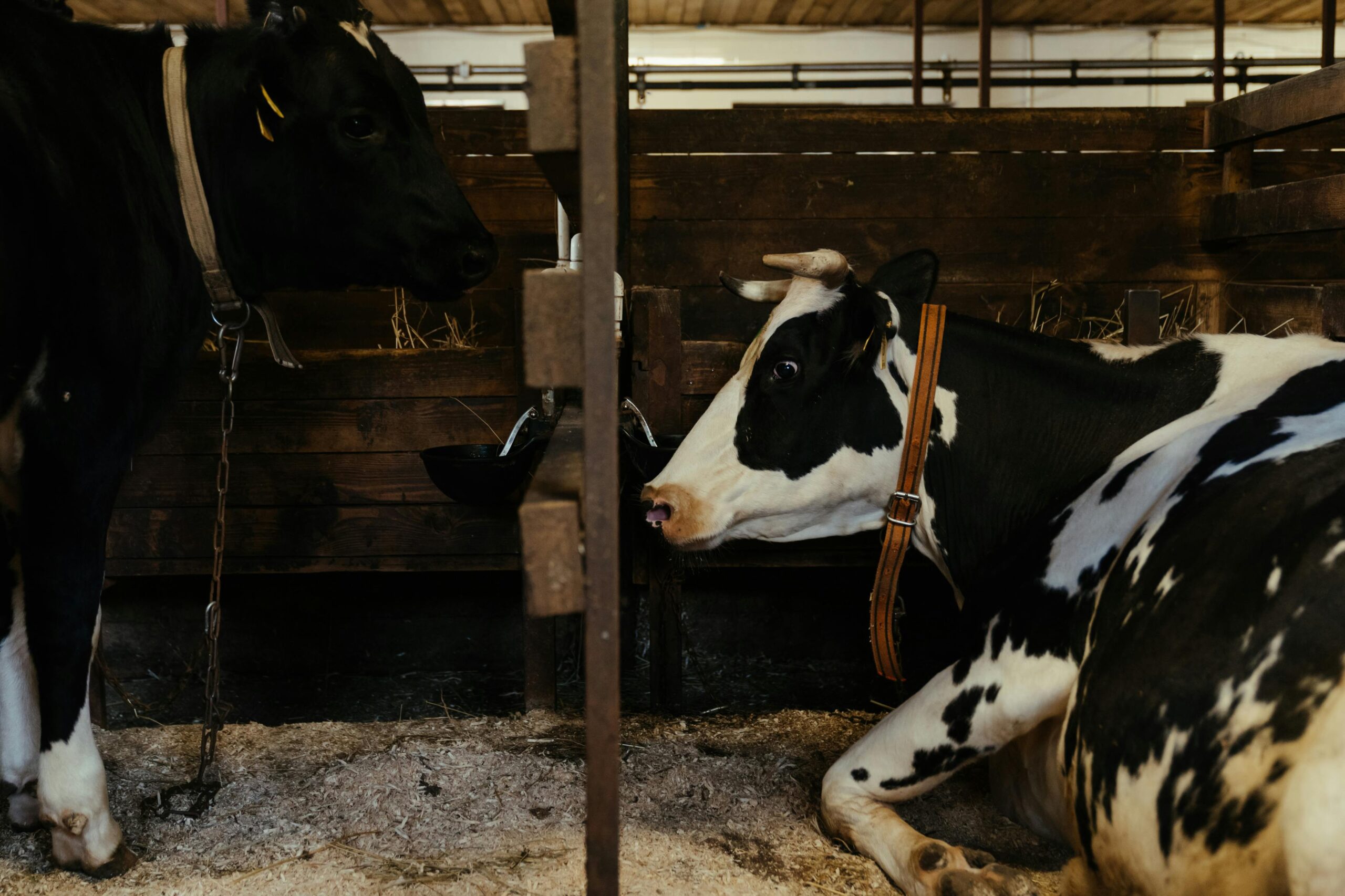
Dehorning is a widely practiced procedure in livestock management that involves removing or preventing the growth of horns in cattle, goats, and other farm animals. While some may view horns as a natural feature, they can pose significant risks in a farm setting. We explore the safety benefits of dehorning, focusing on human and animal safety, prevention of fights and injuries, and improved handling and transportation.
Human and Animal Safety
Horns in livestock can be a serious hazard to both animals and humans. In farm environments, where animals interact closely with farmers, veterinarians, and each other, the presence of horns can lead to severe injuries.
Risks of Keeping Horned Animals on a Farm
Horned animals can cause unintentional injuries during routine handling, feeding, and milking. A startled or aggressive animal may swing its head, potentially injuring handlers. Even in well-managed farms, the unpredictability of livestock behavior makes horn-related injuries a constant concern.
How Horns Contribute to Aggression and Potential Injuries
Horns are often used by animals to establish dominance within a herd, leading to aggressive behaviors. Competition over food, water, and mating can result in horn-inflicted wounds, which may become infected if not treated promptly. Moreover, livestock kept in confined spaces are more prone to accidental goring, leading to severe injuries or even fatalities.
For instance, dairy farmers experience instances where cows with horns injured fellow cows during feeding, resulting in deep puncture wounds. In other cases, a farmworker will need hospitalization after being gored by a horned bull during routine checks. These incidents underline the necessity of dehorning as a preventive measure.
Prevention of Animal Fights and Injuries Costs
Dehorning plays a crucial role in reducing aggression within herds, creating a safer and more harmonious environment. In herds, animals naturally establish a pecking order, with dominant individuals asserting control over resources.
Horns amplify aggression, making conflicts more dangerous. Removing horns reduces the risk of serious injuries, as animals are less likely to engage in harmful fights.
Horned livestock tend to be more aggressive in asserting dominance. Without horns, animals rely on body language and mild physical interactions to establish hierarchy, leading to fewer injuries and less stress within the herd. This results in improved overall animal welfare and productivity.
Horn-related injuries often require veterinary intervention, increasing medical expenses for farmers. Wounds inflicted by horns can lead to abscesses, infections, and prolonged healing times. By dehorning animals at an early age, farmers significantly reduce the need for medical treatments, improving animal health and minimizing veterinary costs.
Safer Handling and Transportation
Handling and transporting livestock is a challenging task, and the presence of horns adds to the difficulty. Dehorning simplifies these processes, ensuring a safer experience for both animals and handlers.
Transporting horned cattle increases the risk of injuries due to overcrowding. During transit, animals may jostle for space, causing horn-inflicted wounds to themselves and others. Additionally, handlers face higher risks when loading and unloading horned livestock, increasing the chances of workplace injuries.
Dehorned animals experience less stress and injury during transportation. Without horns, the risk of animals getting stuck in enclosures or injuring one another is significantly reduced. This results in smoother transit and improved welfare, as animals remain calmer and more comfortable.
Dehorning is, therefore, a vital practice in livestock management that enhances the safety of both animals and humans. Many farmers who have adopted dehorning practices report positive experiences. They find that dehorned cattle are easier to handle, less aggressive, and more cooperative during medical procedures and transportation.
By reducing aggression, minimizing injuries, and improving handling and transportation, dehorning contributes to a healthier and more efficient farming operation. While it is important to follow humane dehorning methods, the benefits outweigh the risks, making it a valuable strategy for responsible livestock management.
The Economic and Management Benefits of Dehorning in Livestock Farming

Pingback: The Economic and Management Benefits of Dehorning in Livestock Farming – TechAnimal Hub