Smart farming is precision farming that incorporates farming management with new technology and information to optimize productivity. Technologies such as GPS technology, Sensors, the Internet of Things (IoT), and artificial Intelligence are integrated into various agricultural practices. However, data collected from this new technology is only meaningful if insightful decisions are drawn from this data.
Data analytics extracts valuable information from this data and thus draws actionable practices such as optimizing processes, increasing productivity, and sustainable practices.
So, let us explore how data analytics is revolutionizing agriculture in a new era of smart farming and sustainable food production.
Nurturing Crops with Data
Precision farming is an innovative approach that uses advanced technology such as GPS, sensors, and the Internet of Things to collect big data regarding soil health, moisture levels, and crop growth patterns.
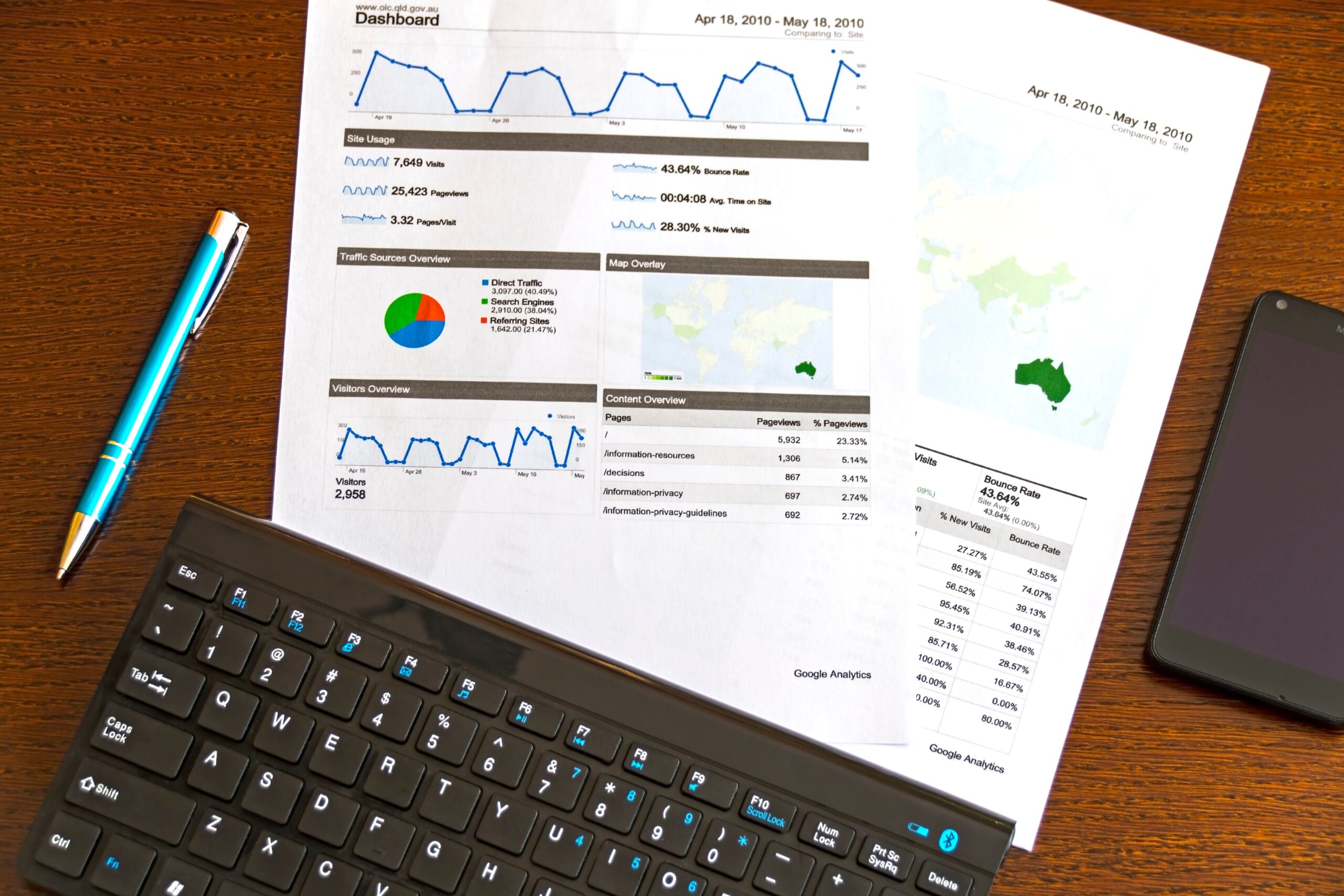
Data analytics plays a significant role in analyzing this data. Detailed data from the field, such as moisture levels, can give helpful information about where and when to irrigate.
Soil properties data can help farmers to have invaluable insights such as which crops to plant, the amount of fertilization to apply, and optimal planting densities. Data tracked from crop growth patterns can aid a farmer in controlling pests and when to harvest crops.
Big data extracted from these technologies will generally provide a farmer with valuable insights and help to strategize farm practices and optimize food production.
Predicting Nature’s Move
Predictive analytics uses historical and real-time data to forecast future events. In agriculture, predictive analytics can anticipate weather patterns, disease outbreaks, and market demands. Analyzing weather data will help farmers to create planting and harvesting schedules.
Weather projections aid the farmer in mitigating risks caused by unexpected weather events. Market trends predicted optimizing profitable harvest as farmers adjust to their cultivation strategies.
Fostering Healthier Animals
As we know, healthy animals lead to healthier profits, and data analytics also plays a significant role in nurturing livestock. Sensors embedded with IoT technology track the behavior and health of animals in real time.
By analyzing this data, farmers acquire crucial insights into breeding, nutrition, parasites & diseases, welfare, and housing conditions. This helps in practices such as early detection of illness, optimization of feeding mechanisms, and implementation of efficient breeding programs.
Data analytics enables prosperous livestock farming as it leads to increased productivity, ensuring a steady supply of meat, dairy, and other animal products in the market.
Supply Chain Optimization
Agriculture supply chain management involves multiple stages, from production to distribution. It involves the coordination and integration of various activities and stakeholders, such as farmers and distributors. The efficient supply chain is crucial for ensuring food security.
Data analytics optimize these processes by providing insights into demand patterns, inventory management, and transportation efficiency, which helps to minimize wastage, maximizing profitability to farmers and distributors and fresh produce to consumers due to improved delivery schedules.
Cultivating A Greener Tomorrow
In modern agriculture, the primary concern is sustainable farming. Smart farming promotes sustainable practices as it records quality data regarding farmland resource properties.
Data analytics provides valuable decisions such as adopting organic methods and minimizing dependence on chemical fertilizers and pesticides.
A greener and healthier environment is achieved through efficient farming practice planning and optimal usage of resources, which are applicable with the aid of Insights driven by data. Fostering sustainable agriculture ensures the future generation inherits fertile land.
Data-driven agriculture fosters smart farming. Data analysis enables the farmer to make informed decisions, which promotes increased profitability, reduced risks, and better planning.
Integrating advanced technology and data analytics in agriculture promises intelligent and sustainable farming, ensuring continuous harvest for future generations.