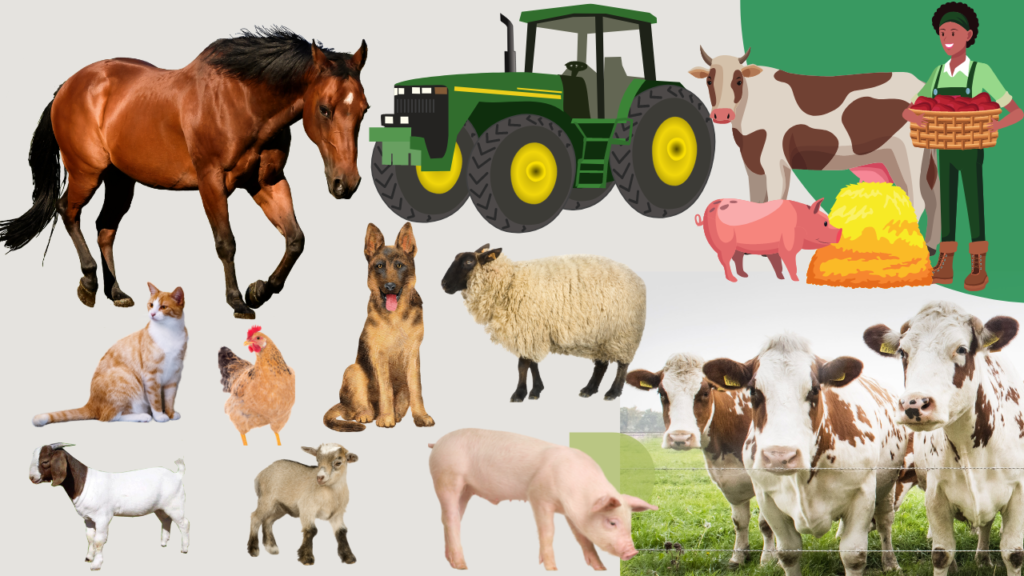
Animals have played a crucial role in shaping human civilization throughout history. From being a primary food source to offering companionship, aiding in medical advancements, and maintaining ecological balance, animals are integral to survival and fulfillment.
Their significance goes beyond mere utility—they are sentient beings contributing to human well-being in multiple ways. Animals enhance economic stability, mental health, medical research, and environmental sustainability, making them indispensable to daily life.
Animals have been a cornerstone of economic development for centuries. Livestock farming provides essential products such as meat, milk, eggs, leather, and wool, sustaining millions of livelihoods worldwide.
Domesticated animals like cattle, sheep, and poultry contribute significantly to global food production. Livestock farming supports rural economies, providing employment and resources to millions, while sustainable animal farming practices ensure long-term food security and economic resilience.
Industries dependent on animals, such as leather, wool, and silk, thrive globally. Beekeeping supports the honey industry and plays a crucial role in pollination, which is essential for agriculture. The pet industry generates billions of dollars annually, supporting veterinary, grooming, and pet food businesses.
Scientific studies confirm that interactions with animals positively impact mental health and emotional well-being. Pets such as dogs and cats provide companionship, reducing loneliness and stress. Animal-assisted therapy has proven beneficial for individuals suffering from PTSD, depression, and anxiety disorders. Exposure to animals fosters empathy and emotional intelligence, especially in children. Caring for animals teaches responsibility, patience, and nurturing skills, reinforcing positive behavioral traits.
Medical and scientific advancements owe much to animal research, leading to life-saving treatments and vaccines. Animal studies have been instrumental in developing vaccines for diseases like rabies, polio, and COVID-19. Research using lab animals has led to breakthroughs in genetics, organ transplantation, and pharmaceuticals.
The scientific community continuously works on minimizing animal suffering through ethical research practices. Alternatives such as in vitro testing and AI simulations are being explored to reduce dependence on live animals, ensuring a balance between scientific progress and ethical responsibility.
Animals play a critical role in maintaining biodiversity and ecological sustainability. Insects like bees and butterflies facilitate plant reproduction through pollination, ensuring biodiversity and agricultural productivity. Birds and mammals aid in seed dispersal, promoting forest regeneration and plant diversity. Carnivores regulate prey populations, preventing overgrazing and maintaining ecological stability. Herbivores contribute to soil health by recycling nutrients through grazing, ensuring that ecosystems remain balanced and productive.
Animals are an irreplaceable part of human life. They provide economic sustenance, emotional companionship, medical progress, and ecological stability. Recognizing their contributions and ensuring ethical treatment is essential for a sustainable future. Respecting and protecting the animals that make life on Earth fulfilling is a shared responsibility, ensuring harmony between humans and the natural world.