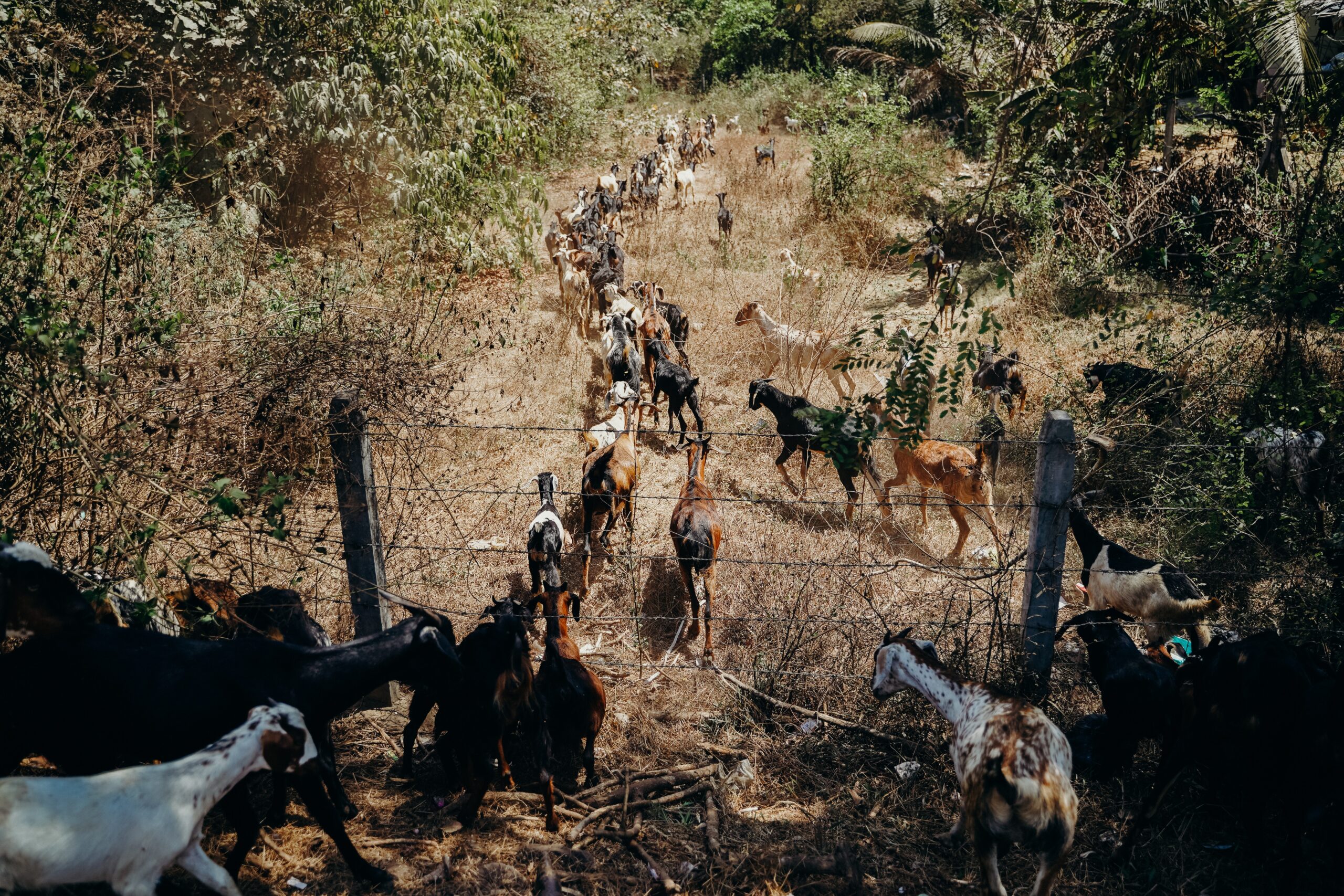
Ranching faces several challenges and problems that can impact the viability and sustainability of operations. Running a ranch profitably and sustainably will require ranchers to actively engage in ranching practices that solve emerging problems in ranching economics, environment management, and animal husbandry.
Here are the most common issues faced by ranchers.
Land Availability and Fragmentation
Securing sufficient land for grazing can be a challenge, especially in regions with competing land uses or where land is scarce. Land fragmentation due to urbanization or land development can further restrict available grazing areas and limit expansion opportunities for ranchers.
Climate Change and Extreme Weather
Climate change brings increased unpredictability in weather patterns, including droughts, floods, and severe storms. These events can lead to reduced forage availability, water scarcity, and increased vulnerability of livestock to heat stress and diseases.
Rising Input Costs
The cost of inputs such as animal feed, fuel, equipment, and labour can fluctuate significantly, impacting the profitability of ranching. Ranchers need to carefully manage expenses and find ways to optimize efficiency to mitigate the impact of rising costs.
Market Volatility
The livestock market is subject to price fluctuations, which can impact the profitability of ranching operations. Economic factors, consumer demand, international trade policies, and disease outbreaks can all influence market prices.
Ranchers must adapt to changing market conditions and implement effective marketing strategies.
Water Scarcity
Availability and access to water resources are critical for livestock production. In regions with water scarcity or limited water rights, ranchers may face challenges in providing adequate water for their herds.
Implementing water conservation measures and exploring alternative water sources can help address this problem.
Invasive Species and Range Management
Invasive plant species can outcompete native vegetation, reducing the quality and quantity of forage available for livestock.
Controlling invasive species and implementing effective range management practices are crucial to maintaining healthy rangelands and optimising grazing resources.
Predators and Wildlife Interactions
Ranchers often face challenges related to predation of livestock by predators such as wolves, leopards, and lions. Balancing the conservation of wildlife with the protection of livestock is a complex issue.
It requires the implementation of appropriate predator control strategies and collaboration with wildlife management agencies.
Regulatory and Policy Issues
Ranching operations are subject to various regulations and policies related to land use, environmental protection, animal welfare, and food safety.
Keeping up with evolving regulations and ensuring compliance can be a challenge for ranchers, particularly for smaller-scale operations with limited resources.
Succession and Intergenerational Transition
Many ranching operations are family-owned, and ensuring a successful transition from one generation to the next can be a significant challenge.
Planning for succession, training younger family members, and addressing legal and financial considerations are crucial for the continuity of ranching operations.
Addressing these challenges requires proactive management, collaboration with industry organizations and governmental agencies, and staying informed about technological advancements and best practices in the field. By overcoming these problems, ranchers can enhance the sustainability and resilience of their ranching operations.

Good information here keep it up!
Thank you! We’ll be covering more on ranching practices to optimise your production levels.