Electricity is a cornerstone of modern livestock farming, powering everything from automated feeding systems to environmental controls. However, the same systems that make operations more efficient can also pose serious risks if not properly managed. In environments where animals, moisture, dust, and complex equipment are present, electrical safety becomes a critical component of farm management.
Let us take an overview of electrical safety protocols tailored to livestock farming operations. It covers the most common hazards, essential maintenance practices, grounding systems, emergency preparedness, and staff training—all aimed at minimizing risk and ensuring a safe environment for both animals and humans.
Understanding Common Electrical Hazards on Livestock Farms
Farms present unique challenges for electrical infrastructure. High humidity levels, constant exposure to animal waste, and the rugged nature of daily operations all increase the likelihood of wear and tear. Some of the most common electrical hazards include:
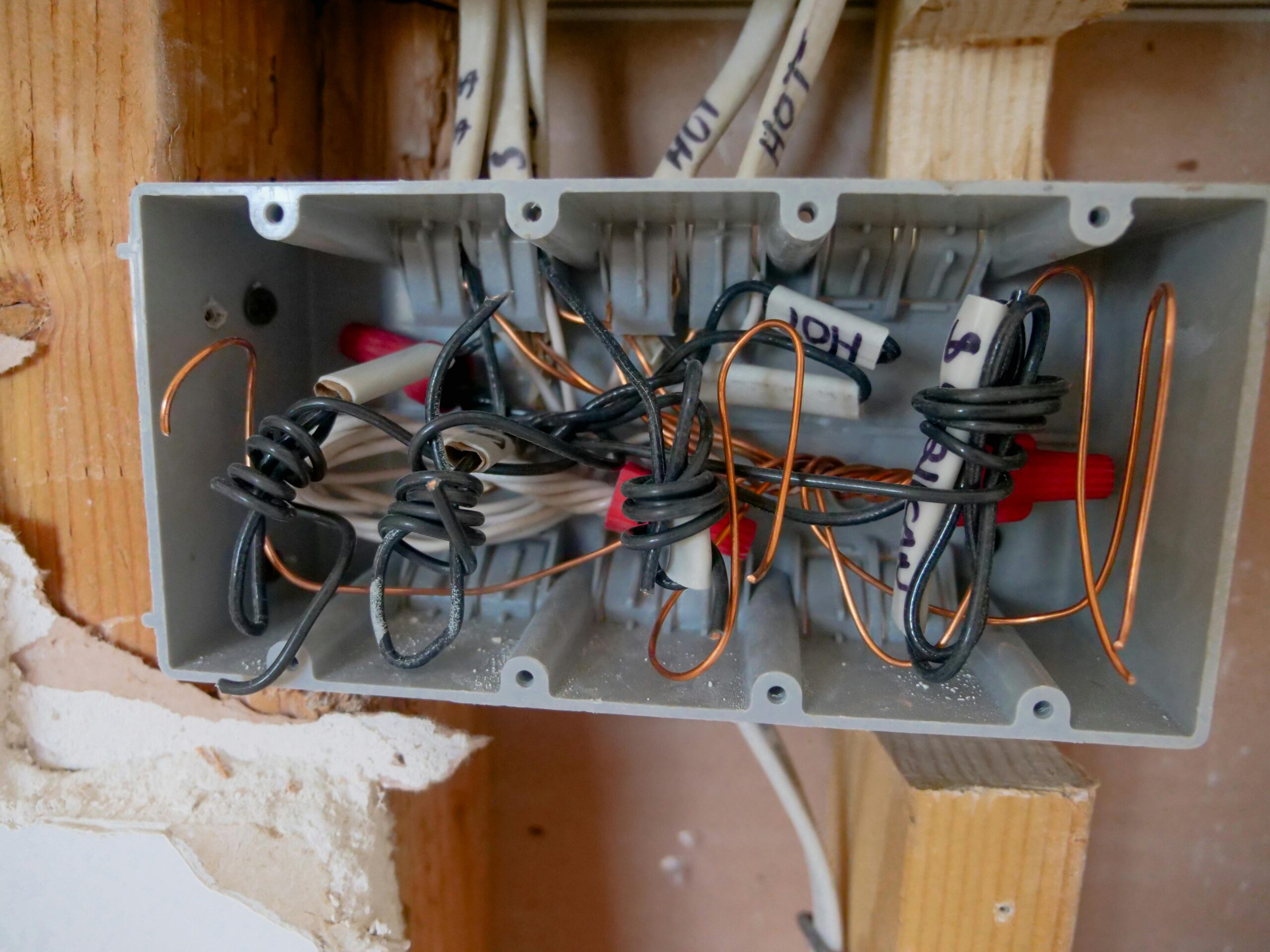
- Faulty Wiring: Exposed or deteriorated wiring near water or metal pens can lead to electrocution.
- Overloaded Circuits: Operating multiple high-draw devices on a single circuit can cause overheating and fire risks.
- Moisture and Corrosion: Constant exposure to wet conditions can corrode electrical connections, leading to short circuits.
- Improper Grounding: Without proper grounding, stray voltages can develop, posing risks to both livestock and staff.
Recognizing these risks is the first step in developing a reliable electrical safety protocol.
Routine Maintenance: The Foundation of Electrical Safety
Preventive maintenance is crucial to sustaining a safe and efficient operation. Regular inspections can help detect early signs of wear or malfunction before they escalate into major problems.
A comprehensive maintenance checklist should include:
- Inspecting all wiring and connectors for fraying, corrosion, or rodent damage.
- Testing circuit breakers and fuses for proper operation.
- Cleaning and checking outlets, switches, and panels for water damage or dust accumulation.
- Ensuring that motor-driven equipment like fans, pumps, and feeders are functioning properly and showing no signs of overheating or excessive vibration.
- Documenting these inspections and repairs not only keeps the system in good condition but also provides a valuable record for audits and insurance purposes.
Grounding and Surge Protection: Mitigating Electrical Faults
Grounding is one of the most vital aspects of electrical safety. It ensures that in the event of a fault, electrical current is safely discharged into the earth rather than through animals or humans.
Livestock environments, with their high conductivity due to moisture and metal structures, are particularly vulnerable to stray voltage. Effective grounding practices include:
- Installing properly sized ground rods at key points around the facility.
- Bonding all metal objects, including gates and troughs, to the grounding system.
- Using surge protectors on sensitive equipment to prevent damage from voltage spikes, especially during storms or power fluctuations.
- Properly grounded systems also help reduce the risk of livestock becoming agitated or injured by undetectable electrical currents in their environment.
Safe Installation Practices for New or Upgraded Facilities
Whether constructing new infrastructure or upgrading an existing system, professional installation is non-negotiable. Working with licensed electricians who specialize in agricultural setups ensures that systems meet both safety codes and functional demands.
Best practices for safe installation include:
- Keeping electrical panels, outlets, and switches away from animal-accessible areas and water sources.
- Using weatherproof and rodent-resistant fixtures, junction boxes, and cabling.
- Installing appropriate lighting that’s both energy-efficient and safe for livestock behavior.
- Clearly labeling all circuits and maintaining accurate electrical diagrams.
Smart design choices during installation prevent long-term safety issues and reduce the cost of repairs or retrofits down the line.
Emergency Preparedness: Planning for Power Failures and Hazards
Despite all preventive measures, emergencies can still occur. Farms must be equipped with a clear and actionable emergency electrical response plan. This includes:
- Equipping facilities with automatic shutoffs for critical systems.
- Installing backup power solutions, such as diesel generators or solar battery arrays.
- Placing fire extinguishers rated for electrical fires at strategic locations.
- Mapping electrical panels and circuits and ensuring staff can quickly access and understand them during a crisis.
Regular drills and scenario planning help farm workers stay calm and act decisively when seconds matter most.
Staff Training: Building a Culture of Safety
Technology and infrastructure are only as reliable as the people operating them. Providing your staff with the right knowledge and tools is essential for sustaining long-term safety.
Key training topics should cover:
- Recognizing signs of electrical issues such as burning smells, flickering lights, or hot surfaces.
- Basic safety protocols like shutting off power before inspecting equipment.
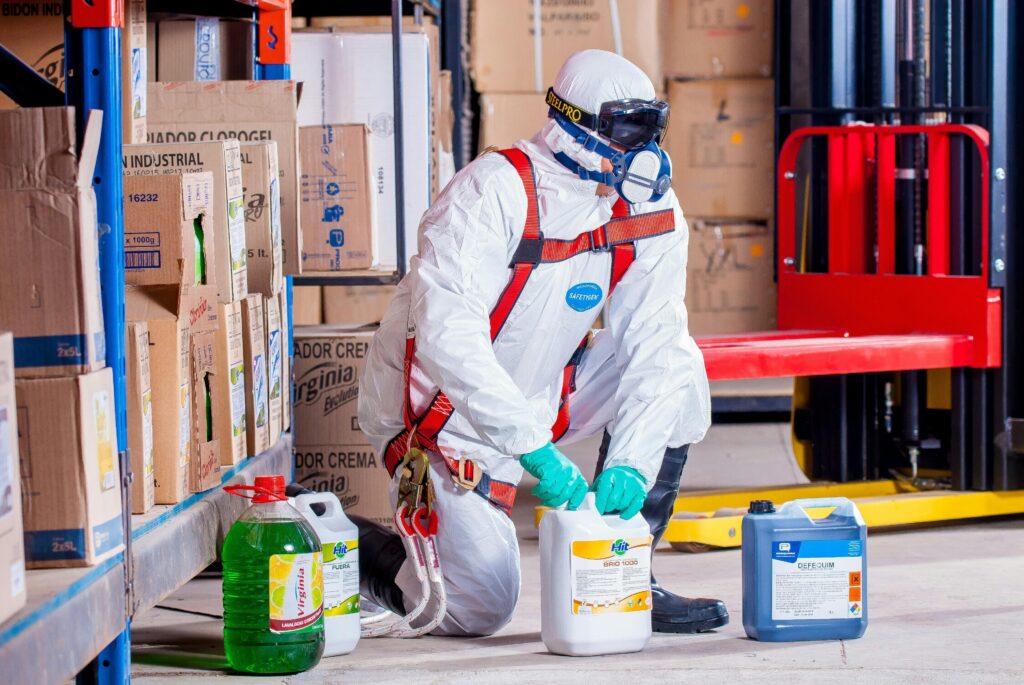
- Proper use of personal protective equipment (PPE), including insulated gloves and boots.
- Knowing emergency contacts and how to safely exit or shut down systems in the event of a fault.
By investing in education and awareness, you foster a safety-first mindset that protects both people and animals.
Prioritizing Prevention and Preparedness
Electrical safety in livestock farming is not just about compliance—it’s about protecting your investment, your workforce, and your animals. From conducting regular maintenance and ensuring proper grounding to developing emergency plans and training your team, every step contributes to a more resilient operation.
Being proactive rather than reactive allows you to avoid costly downtime, equipment damage, or even life-threatening accidents. By following the protocols outlined in this guide, you’re not only safeguarding your farm but also setting a higher standard for responsible agricultural practices.