When farmers design or build animal housing, the main focus is structure, durability, and weather protection. While these aspects are crucial, the smaller details—like finishing, are just as important for animal welfare.
Unfortunately, poor finishing in animal shelters often goes unnoticed until injuries appear among livestock. Seemingly minor oversights such as protruding nails, sharp edges, and splintered wood can cause significant harm, leading to pain, infections, production losses, and increased veterinary costs.
Let us explore the common improper finishing issues in animal housing, the types of injuries they cause, and how to prevent them.
Common Finishing Problems in Animal Housing
Protruding Nails and Screws
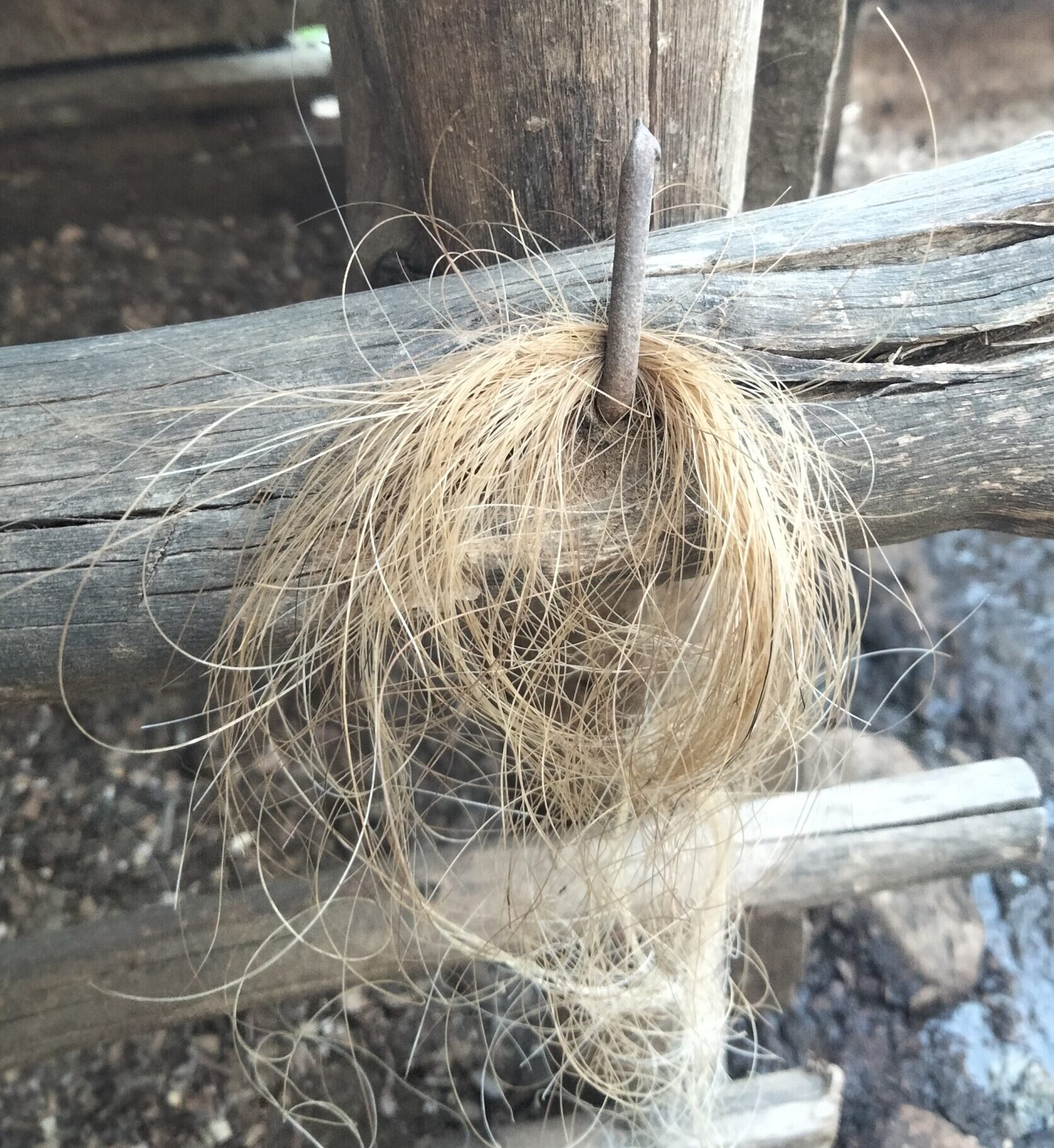
One of the most frequent yet overlooked hazards in animal shelters is protruding nails or screws. These can result from hurried construction, poor workmanship, or age-related damage to structures.
Animals brushing up against these protrusions may suffer cuts, puncture wounds, or tears in the skin, which can become infected quickly in farm environments where hygiene is difficult to maintain.
In pens, feeding areas, and sleeping quarters, even a single exposed nail can lead to lameness or reduced mobility, especially in larger animals like cattle or pigs.
Sharp Edges on Iron Sheets
Galvanized iron sheets are widely used in roofing and wall cladding for animal shelters. However, when these sheets are improperly cut or installed without edge protection, they pose a severe danger. Sharp edges can cause deep lacerations, especially when animals rub against walls or pass through narrow entrances.
Even a small gash from a sheet of iron can result in excessive bleeding or expose the animal to pathogens like tetanus bacteria. These injuries often go unnoticed until they become infected, especially in herds where regular health checks are difficult.
Exposed Wood Spikes and Splinters
Untreated or broken wood can develop spikes and splinters that easily injure animals, particularly around gates, partitions, or feeding troughs. These sharp projections are especially dangerous for animals with curious behavior, like goats, or for young livestock still exploring their surroundings.
Wood splinters can cause eye injuries, skin irritations, or become embedded in hooves, leading to limping and discomfort. In severe cases, they can also form abscesses or other localized infections that affect productivity.
Unfinished Concrete Surfaces
Concrete is a favored material for floors and walls due to its durability and ease of cleaning. However, when poorly finished—leaving rough patches, sharp corners, or uneven surfaces—it can harm animals in several ways.
Rough concrete floors can cause abrasions and hoof damage, particularly in pigs, sheep, and cattle. Uneven or jagged surfaces also contribute to joint stress, leading to long-term mobility issues. In wet conditions, rough patches increase the risk of slipping and falling, especially in high-traffic areas like feeding zones or milking parlors.
Loose or Dangling Wires and Mesh
Electrical wires, fencing mesh, or netting materials that are poorly secured can become deadly traps. Curious or playful animals may chew on exposed wires, risking electrocution, or get tangled in loose mesh, leading to strangulation or broken limbs.
Such hazards are common around improvised lighting, electric fences, or old boundary structures that haven’t been maintained. Over time, the risk multiplies as materials degrade or shift due to weather exposure.
Broken Hinges and Sharp Door Locks
Doors and gates with damaged hinges or rusted, sharp locking mechanisms can trap or injure animals as they move in and out of pens. These issues often develop slowly and are ignored until something goes wrong—like a gate swinging unexpectedly or a latch catching an animal’s skin.
These minor mechanical failures are particularly hazardous in high-traffic housing areas where animals are guided in herds, such as during milking or feeding times.
Types of Injuries Caused by Improper Finishing
Injuries from poor finishing are often underestimated. Some common injury types include:
-
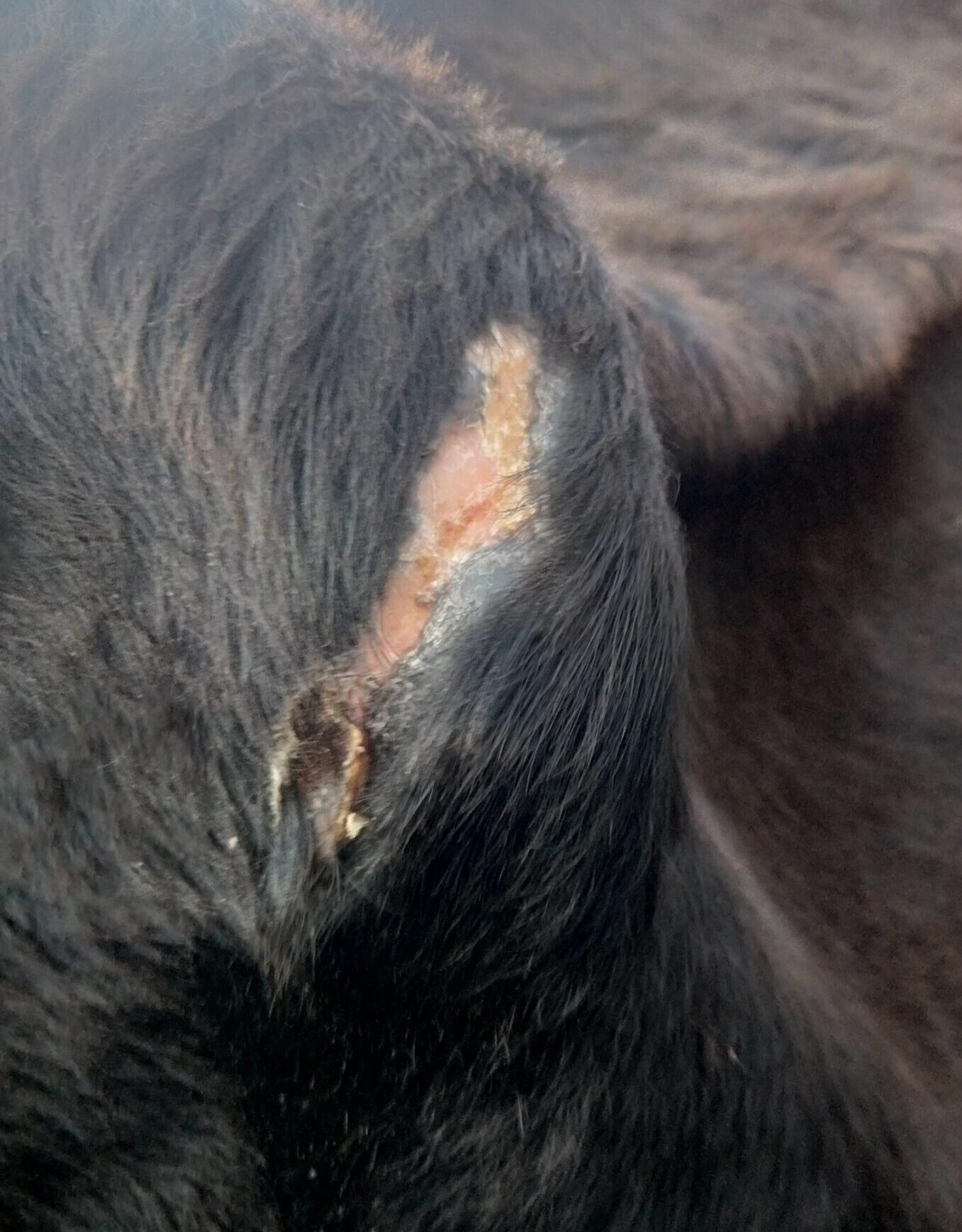
Open Wounds and Lacerations: These result from contact with sharp objects like nails, iron sheets, or broken wood.
-
Infections and Abscesses: Open wounds become entry points for bacteria and parasites, especially in unsanitary housing conditions.
-
Fractures and Lameness: Slippery or uneven flooring can cause slips, falls, or hoof damage.
-
Stress and Behavioral Issues: Frequent injuries increase anxiety and reduce animal confidence in their environment.
-
Production Losses: Injured or stressed animals eat less, grow slower, and produce less milk, eggs, or meat.
Open Wounds and Lacerations
Why These Problems Are Overlooked
Several reasons contribute to the neglect of finishing issues in animal housing:
-
Focus on Structural Strength: Farmers may prioritize the shelter’s ability to withstand weather and predators, not internal safety.
-
Budget and Time Constraints: Finishing is often skipped or rushed during construction or renovation.
-
Lack of Knowledge: Many small-scale or beginner farmers may not understand the risks posed by seemingly minor finishing flaws.
-
Maintenance Gaps: Without routine inspections, slow wear and tear goes unnoticed until damage occurs.
Preventing Injuries Through Proper Finishing
The good news is that most of these issues are preventable with good construction practices and routine maintenance. Here are some best practices:
-
Use Treated, Smooth Materials: Always choose smooth wood, properly cut metal, and polished concrete finishes. Treated materials resist damage and weathering.
-
Cover or File Sharp Edges: Install edge covers on iron sheets and file down any exposed metal or wood spikes.
-
Secure All Hardware and Wiring: Ensure that nails, screws, wires, and hinges are tightly fixed and regularly checked.
-
Conduct Routine Inspections: Perform weekly or bi-weekly walk-throughs to detect early signs of damage or danger.
-
Hire Skilled Labor When Needed: When constructing or renovating, invest in qualified builders or maintenance teams to ensure high standards.
Farmer’s Safety Checklist for Animal Housing
Use this simple checklist to identify and address finishing issues early:
- No exposed nails, screws, or bolts.
-
All wood is smooth, treated, and free from splinters.
-
Metal sheets are covered or blunt-edged.
-
Floors are level, smooth, and slip-resistant.
-
No dangling or loose wires/mesh.
-
Doors and gates operate smoothly without sharp edges.
-
Regular inspection and repair schedule is in place.
Animal welfare begins at home—and for livestock, that means the shelter they live in. While strong walls and roofs are essential, small details in finishing can make the difference between a safe home and a dangerous one. Injuries caused by overlooked issues like protruding nails or sharp metal can have long-term consequences for animal health, productivity, and farm profitability.
By paying attention to housing finishes and adopting regular inspection routines, farmers can prevent unnecessary injuries, reduce treatment costs, and promote better welfare outcomes for their animals.