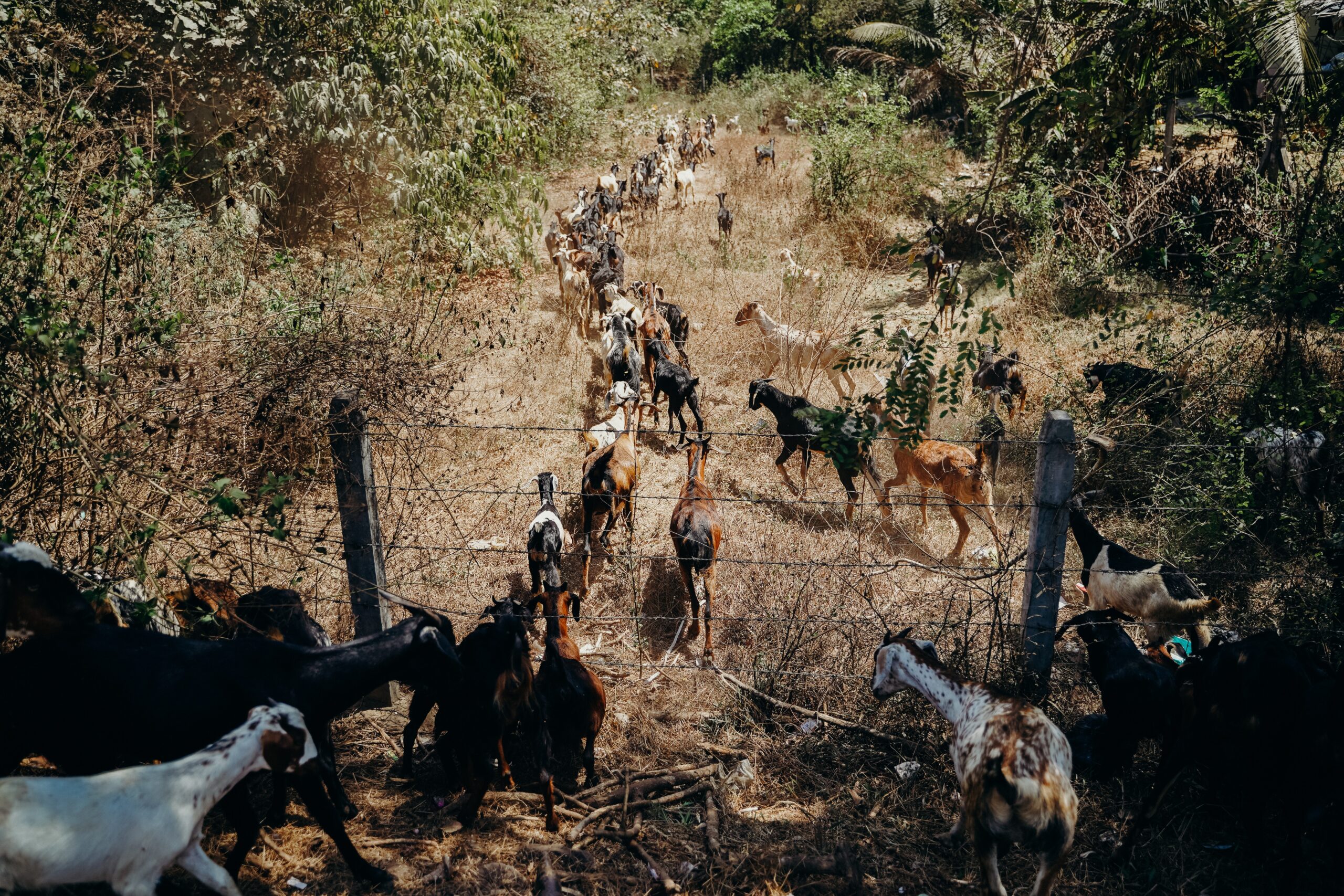
Adapted to live in different climates and production systems, sheep and goats are arguably common livestock animals found in many locations. The ever-rising demand for milk and meat has seen the rise in goat and sheep farming providing a source of food security and income source for farmers around the world.
The rising integration of goats and sheep in farming systems is attributed to various advantages or special features that they offer compared to other sources of milk and meat like cattle. So what makes goat and sheep a desirable farming venture?
Why Venture In Sheep And Goat Farming?
Short Reproductive Cycles
Sheep and goats have short reproductive cycles making them ideal for income generation as they multiply relatively faster than cattle. Sheep’s oestrus cycle is 16 to 17 days, while in goats is 17 to 24 days. The estrus, heat phase, in sheep, lasts about 24 to 36 hours, whereas in goats it lasts for about 24 to 48 hours.
The gestation period of sheep is approximately five months, about 144 to 150 days while the gestation period of goats is slightly shorter at an average of 150 days, about 145 to 155 days. The reproductive lifespan of a sheep is usually shorter than that of a goat. A ewe, female sheep, can reproduce for about five to six years while a doe, the female goat can reproduce for up to 10 years.
High Repopulation Rates, Offtake and Selling Prospects
Generally, goats tend to have a higher litter size than sheep. Goats can give birth to one to four kids per pregnancy, while sheep usually give birth to one to two lambs per pregnancy.
With short lambing intervals and the rapid addition of new flocks through proper breeding, farmers can sell their flock sustainably as the short repopulation time allows for the growth of their flock. This promotes high offtake for reliable sales annually with profitable margins.
Low Initial Investment
Goats and sheep are relatively small animals compared to cattle thereby requiring low investment in setting up. Their small sizes will require low costs in setting up housing, purchase of parent stock, costs of disease and parasite management, feed size, and relatively small husbandry equipment.
This makes goat and sheep ideal for livestock farm startups targeting milk and meat production that offers profitable ventures at a low initial setup.
High Survival Rates
Sheep and goats’ short reproductive cycles allow a relatively fast flock restoration promoting high survival rates when compared to cattle. In addition, their high tolerance for drought as they do not require much feed and water sees farms maintain production with minimal water access as compared to cattle. They are also less susceptible to diseases compared to other domestic animals, which improves their survival rates.
Goats and sheep are also seasonal breeders, which means that they only reproduce during specific times of the year when environmental conditions are optimal for the survival and growth of offspring. This adaptation helps ensure that young are born during times when food and other resources are abundant and when the weather is favourable.
Sustainable Feeding Behavior
Goats and sheep feeding behaviour promote good utilization of farm feed used as they feed on diverse bushes, crop residue, or farm byproducts. While both sheep and goats are ruminants with similar digestive systems, there are differences in their feeding behaviour that promote the utilization of different feed resources, maximizing the productivity of your farm.
Goats are selective in their diet, agile in their feeding style and have a more efficient digestive system that requires less water than sheep. They prefer browsing on shrubs, trees, and forbs. Sheep prefer grazing on grasses, tend to graze for longer periods, often moving around in search of new grasses to eat and are more social in their feeding behaviour.
Multipurpose Animals with Marketable Products.
Sheep and goats offer a variety of products including meat, milk, wool, skins, and manure. This offers a diverse range of products for subsistence or income generation, depending on the farm’s goals. The choice of which to use depends on factors such as taste, preference, intended use, and availability.
Both sheep and goats are raised for meat production and their meat is popular in many cuisines around the world. Both types of meat are high in protein and contain essential nutrients like iron, zinc, and vitamin B12.
Sheep and goats are also used for milk production. Both milk types are rich in vitamins and minerals, making them a nutritious choice for those who are lactose intolerant or allergic to cow’s milk.
Sheep are well known for their wool production, which is used to make clothing, blankets, and other textiles. Certain types of goats such as cashmere goats produce a fine undercoat that is used to make high-quality clothing and textiles.

I thought I will read also about diseases and their control or best particise
Keep in touch for more blog updates on contemporary sheep and goat farming practices on housing, nutrition, welfare, breeding and their implications on reducing disease and parasite management.
Maintaining the health of your goats and sheep is critical to attaining your farm production goals. Where Do You Start?
https://techanimalhub.com/management-and-prevention-of-diseases-in-sheep-and-goats/