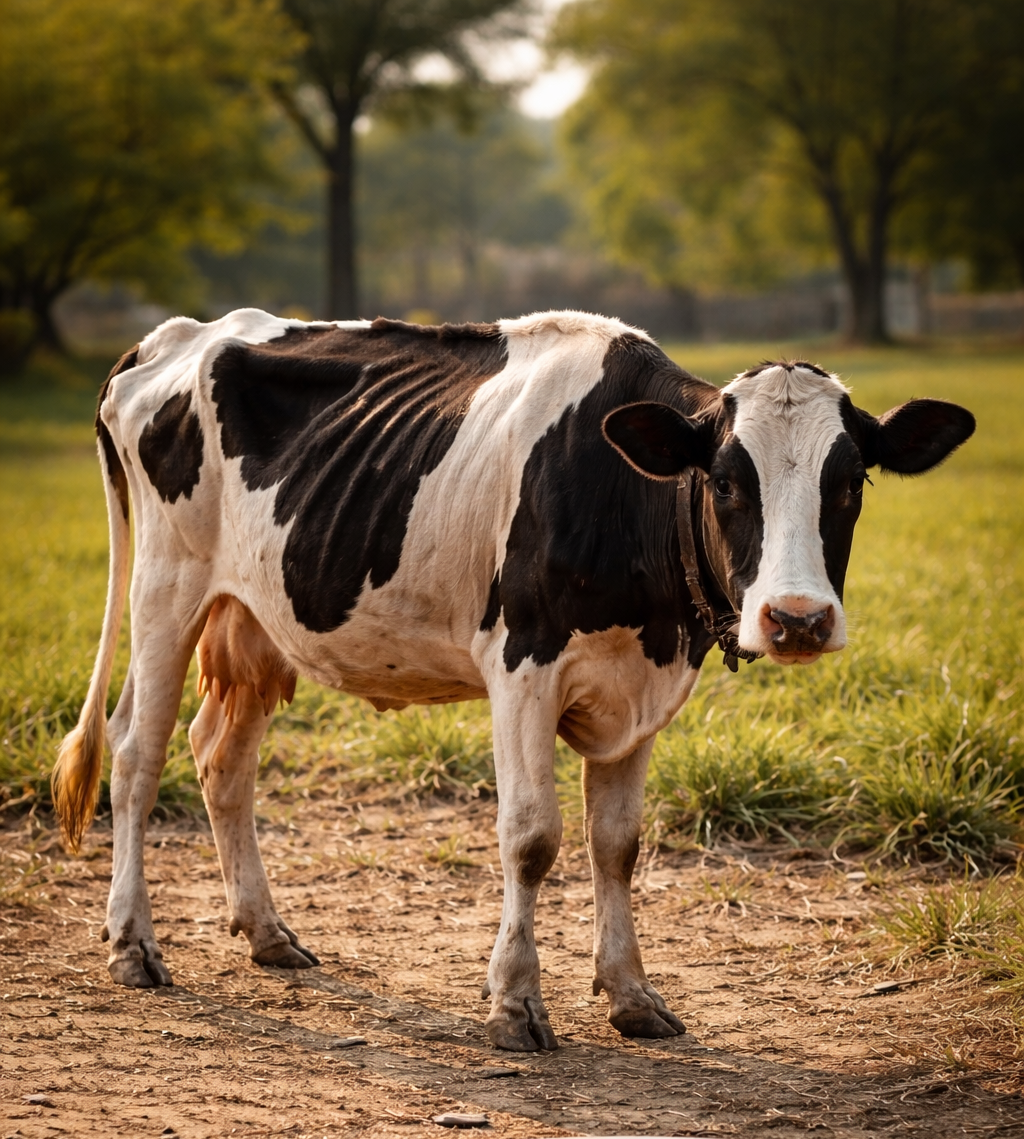
Poor weight gain in livestock is one of the most common and costly challenges faced by farmers. Whether you are raising cattle, goats, sheep, pigs, or poultry, slow or stalled growth increases feed costs, delays market readiness, and reduces overall farm profitability.
Many farmers ask the same question: “My animals are eating well, so why aren’t they gaining weight?”
The answer is rarely just one problem. Poor weight gain in livestock is usually caused by a combination of nutrition gaps, health challenges, water issues, stress, and weak farm management practices.
This detailed guide explains why animals fail to gain weight, the most common causes of poor livestock growth, and practical, farm-tested solutions you can apply immediately to improve performance and profits.
Why Weight Gain Matters in Livestock Production
Healthy weight gain is one of the clearest signs that a livestock production system is working effectively. It reflects how well nutrition, animal health, housing, and daily management are aligned to support growth and productivity.
Proper Weight Gain Indicates That
-
Nutrition is balanced
Animals are receiving adequate energy, protein, minerals, and vitamins required for growth, muscle development, and body condition improvement. Balanced rations ensure nutrients are absorbed and used efficiently. -
Overall health status is good
Low disease and parasite pressure allows animals to digest and utilize feed properly instead of diverting nutrients to fight infections or stress. -
Feed conversion efficiency is high
Feed consumed is converted into body weight rather than being wasted. This reflects good-quality feed, proper feeding methods, and healthy digestive systems. -
Farm profitability is improving
Animals reach market, slaughter, or breeding weight faster, reducing time on the farm and increasing turnover, income, and production efficiency.
When Animals Fail to Gain Weight:
-
They stay on the farm longer
Extended rearing periods increase feed, labor, housing, and management costs, reducing profit margins. -
Feed is consumed without economic return
Poor weight gain means feed investment does not translate into saleable weight, resulting in financial losses. -
Disease vulnerability increases
Poor growth weakens immunity, making animals more susceptible to infections, parasites, and environmental stress. -
Farm income and sustainability decline
Slow growth affects cash flow, productivity planning, and long-term farm viability.
Identifying the root causes of poor weight gain early—such as nutrition gaps, health issues, or management errors—helps prevent long-term losses and supports a more productive and profitable livestock system.
Poor Quality or Inadequate Nutrition
Nutrition forms the backbone of livestock growth and productivity. Even when animals appear to be eating well, the quality, balance, and suitability of their diet are often the limiting factors in weight gain. Poor nutrition not only slows growth but can also increase susceptibility to disease, reduce reproductive performance, and lower overall farm profitability.
Common Feeding Mistakes Explained
-
Low Protein Levels in the Diet
Protein is the building block of muscles, organs, and tissues. Diets lacking adequate protein result in animals that remain thin, with poor muscle development and delayed growth. This is especially critical for young, growing animals and lactating females, as insufficient protein directly affects growth rates and milk production. For example, calves or lambs on low-protein diets may take weeks longer to reach market weight, increasing feed costs and reducing efficiency. -
Insufficient Energy Content
Energy is vital for all bodily functions, from movement and growth to maintaining body temperature. Feeds low in energy, such as over-mature hay, straw, or poor-quality pasture, do not provide enough calories for optimal growth. Animals consuming low-energy diets may eat more without gaining weight because their energy requirements are not met, leading to wasted feed and slower growth. -
Old, Moldy, or Spoiled Feed
Feed that is improperly stored or past its prime can develop mold, toxins, or spoilage. Such feed is less palatable, which reduces intake, and nutrient availability decreases, limiting growth. Additionally, toxins from mold or spoilage can harm the digestive system, causing diarrhea, reduced nutrient absorption, and further stunting weight gain. -
Wrong Ration for Age or Production Stage
Nutritional requirements differ depending on an animal’s age, growth stage, reproductive status, or purpose (e.g., fattening, breeding, lactating). Feeding a one-size-fits-all ration often results in underfeeding high-demand groups like weaners, finishing stock, or lactating cows. Young animals may not receive enough protein or energy for proper skeletal and muscle development, while lactating females may produce less milk. -
Over-Reliance on Roughage Without Concentrates
Roughage, such as grass, hay, or straw, is essential for rumen health and digestion, but it cannot meet all growth requirements on its own. Without concentrates or nutrient supplements, animals fail to gain weight efficiently. Over-reliance on low-energy roughage limits protein and energy intake, particularly in high-performing livestock, resulting in slower growth, poor feed conversion, and reduced profitability.
Signs Your Animals Are Undernourished
-
Dull or rough coat, feathers, or skin, indicating nutrient deficiencies
-
Slow, uneven, or stunted growth across the herd or flock
-
Weakness and reduced activity levels making animals more susceptible to stress and disease
-
Low milk yield or egg production, signaling insufficient energy or protein intake
-
Poor reproductive performance, such as delayed puberty, low conception rates, or weak offspring
Practical Nutrition Solutions
-
Provide balanced rations tailored to the species and production stage, including adequate energy, protein, vitamins, and minerals.
-
Implement stage-specific feeds, such as starter, grower, and finisher rations, to match the nutritional needs of young, growing, and fattening animals.
-
Supplement protein using legumes (e.g., alfalfa, clover), oilseed cakes (e.g., soybean, sunflower), or commercial protein concentrates to ensure optimal muscle and tissue development.
-
Ensure proper storage of feeds, keeping them dry, ventilated, and free from mold or contamination. Check feed quality regularly before offering it to livestock.
-
Monitor body condition and weight gain consistently to adjust feed quantities and composition before growth problems become severe.
-
Combine roughage with concentrates to balance digestion and meet energy requirements without compromising rumen health.
Proper nutrition is the fastest, most effective, and most economical way to improve weight gain, animal health, and farm profitability. By providing high-quality feed, matching diets to production stage, and regularly monitoring growth, farmers can prevent undernutrition, maximize feed efficiency, and ensure long-term sustainability.
Internal Parasites (Worm Infestation)
Internal parasites are among the most overlooked yet critical causes of poor weight gain in livestock. Worms and other gut parasites compete directly with animals for essential nutrients and damage the digestive tract, which makes feed utilization inefficient. Even if animals appear to be eating normally, infestations can silently stunt growth, reduce productivity, and lower farm profitability.
Common Parasites Affecting Livestock
-
Roundworms (Nematodes)
Roundworms attach to the intestinal lining, feeding on blood and nutrients. This causes nutrient deficiencies, anemia, poor growth, and weak immunity. Young animals are particularly vulnerable, often showing stunted growth and lethargy. Severe infestations can lead to death if left untreated. -
Tapeworms (Cestodes)
Tapeworms consume nutrients directly from the digestive tract. Heavy infestations reduce energy, protein, and vitamin absorption, slowing growth and impairing body condition. Animals may appear to eat well but fail to gain weight efficiently. -
Liver Flukes (Fasciola spp.)
Liver flukes damage liver tissue, affecting metabolism, nutrient processing, and fat storage. Infected animals may show poor feed conversion, reduced weight gain, and a higher susceptibility to secondary infections. Chronic liver fluke infections can also impact reproductive performance. -
Coccidia (Eimeria spp.)
Coccidia primarily affect young stock and poultry, causing intestinal damage, diarrhea, dehydration, and malabsorption of nutrients. In severe cases, coccidiosis can be fatal, particularly in intensive farming systems where high stocking density accelerates transmission.
Signs of Worm Infestation
-
Animals eat normally but fail to gain weight
-
Persistent diarrhea or soft droppings, sometimes with mucus or blood
-
Pot-bellied appearance, most noticeable in young stock due to bloating from intestinal worms
-
Pale gums or eyelids, indicating anemia caused by blood-feeding parasites
-
Rough, dry, or standing hair coat or feathers, a visible sign of poor nutrient absorption
-
Weakness, reduced activity, or general lethargy
-
Lowered immunity, making animals more susceptible to secondary infections
Practical Parasite Control Solutions
-
Follow a strategic deworming schedule
Plan deworming based on species, age, and seasonal parasite risk. Young animals usually require more frequent treatments, while adults may need strategic treatments at high-risk times (e.g., rainy season when parasite eggs thrive). -
Rotate deworming products
Using the same anthelmintic repeatedly can lead to resistance. Rotating between different classes of dewormers ensures parasites remain susceptible and treatments remain effective. -
Avoid overstocking grazing areas
Overcrowded pastures increase contact with parasite eggs and larvae in the soil. Maintaining appropriate stocking density reduces parasite exposure. -
Implement pasture rotation
Rotating animals between pastures breaks parasite life cycles. Leaving pastures fallow or grazing with different species can reduce parasite loads naturally. -
Maintain clean housing and feeding areas
Remove manure regularly, clean troughs, and provide dry bedding to reduce parasite contamination. Parasites thrive in moist, dirty environments, so good hygiene is essential. -
Regular health monitoring
Perform routine fecal egg counts, body condition scoring, and weight tracking. Early detection of parasitic infection prevents severe infestations, reduces economic losses, and maintains optimal growth rates.
Why Parasite Control is Crucial for Weight Gain
Internal parasites directly affect nutrient absorption, reducing feed efficiency and slowing growth. By combining strategic deworming, pasture management, and proper hygiene, farmers can ensure animals utilize their feed effectively, maintain strong immunity, and reach target weights faster—ultimately improving productivity, profitability, and farm sustainability.
Poor Water Intake or Dirty Water
Water is often overlooked, but it is just as critical—if not more so—than feed for healthy weight gain in livestock. It plays a central role in digestion, metabolism, nutrient absorption, and feed intake. Animals that do not drink enough water naturally eat less, leading to slower growth, poor weight gain, and reduced productivity.
Common Water-Related Problems
-
Dirty or contaminated water
Water that contains dirt, algae, manure, or pathogens discourages animals from drinking. Contaminated water can also transmit diseases such as diarrhea, respiratory infections, and parasitic infestations, further impacting growth and overall health. -
Insufficient water supply
During hot or dry seasons, water scarcity becomes a major limiting factor. Animals may reduce feed intake if water is not consistently available, slowing growth and affecting milk or meat production. -
Long distances to water points
If animals have to walk far to access water, weaker, younger, or older animals may not drink enough. This reduces overall hydration and feed efficiency, leading to uneven weight gain across the herd or flock. -
Poorly designed or broken troughs
Troughs that are too high, narrow, or damaged make drinking difficult for some animals. Limited access can result in dehydration, stress, and slower growth.
Practical Water Management Solutions
-
Provide clean, fresh water at all times
Ensure a continuous supply of water in clean containers or troughs. Refill frequently to encourage regular drinking. -
Clean water troughs regularly
Scrub walls and remove algae, slime, or manure buildup. Clean troughs prevent bacterial growth and keep water appealing to animals. -
Ensure water points are accessible
Design troughs and watering areas so that all animals, including young, weak, or shy individuals, can drink comfortably without competition. -
Increase water availability during hot weather
During heat stress, animals require more water to maintain body temperature and feed intake. Add extra troughs or refill existing ones more often to prevent dehydration and reduced growth.
Proper water management directly supports feed efficiency, weight gain, and animal health. Clean, accessible, and abundant water ensures that livestock can fully utilize their feed, stay hydrated, and grow efficiently, which is essential for farm productivity and profitability.
Disease and Chronic Infections
Not all diseases cause sudden death, but many silently hinder weight gain and overall productivity. Chronic infections and subclinical diseases can reduce appetite, damage organs, and interfere with nutrient absorption, making even well-fed animals fail to thrive.
Diseases Commonly Linked to Poor Weight Gain
-
Respiratory Infections
Conditions like pneumonia or bronchitis reduce oxygen intake and overall energy, leading to lower feed consumption and slower growth. Chronic respiratory stress also weakens immunity, making animals more vulnerable to secondary infections. -
Digestive Disorders
Intestinal infections, enteritis, or liver problems interfere with nutrient absorption. Even if feed intake is normal, animals fail to gain weight because nutrients are not properly utilized. -
Chronic Bacterial or Viral Infections
Diseases that persist over time, such as Johne’s disease in cattle or persistent viral infections in poultry, reduce growth rates and productivity without immediately killing animals. -
Subclinical Diseases
Some infections show no obvious external symptoms but silently impair growth. These include minor parasitic infestations, low-grade infections, or metabolic disorders.
Warning Signs Farmers Should Watch For
-
Reduced or inconsistent appetite despite adequate feed
-
Lethargy or low activity levels
-
Poor feed conversion, where animals eat but fail to gain weight
-
Recurrent minor illnesses or frequent outbreaks across the herd or flock
-
Signs of stress, such as rough coats, pale mucous membranes, or slow recovery from minor illnesses
Practical Disease Control Solutions
-
Maintain a proper vaccination program
Vaccinations protect against common bacterial and viral infections, reducing the risk of chronic health problems that limit growth. -
Isolate sick animals early
Separate affected animals to prevent disease spread and allow proper treatment. Early intervention prevents minor issues from becoming chronic growth-limiting problems. -
Consult a veterinarian for persistent issues
Persistent weight loss, poor growth, or unexplained illness should be investigated by a professional. Targeted treatment and diagnostic testing help identify underlying problems. -
Strengthen hygiene and biosecurity practices
Regularly clean housing, feeding equipment, and water sources. Limit visitor access and maintain good sanitation to reduce disease exposure and improve herd or flock health.
Managing chronic diseases and hidden infections ensures animals can absorb nutrients efficiently, gain weight steadily, and maintain strong immunity, ultimately improving farm productivity and profitability.
Stress and Poor Housing Conditions
Stress is a silent growth killer on the farm. When animals experience stress, much of their energy is diverted to coping with the stressor rather than supporting growth, muscle development, or feed efficiency. Even minor, chronic stress can significantly reduce weight gain and overall productivity.
Major Stress Factors Explained
-
Overcrowding
Too many animals in a pen or pasture increases competition for feed, water, and space. Overcrowding leads to stress, aggressive behavior, and uneven growth, as dominant animals monopolize resources while weaker ones lose out. -
Heat or Cold Stress
Extreme temperatures force animals to use extra energy to maintain body temperature. Heat stress reduces appetite, water intake, and feed efficiency, while cold stress increases energy requirements for warmth instead of growth. -
Poor Ventilation
Inadequate airflow in housing traps heat, humidity, and dust, increasing the risk of respiratory problems and reducing feed intake. Animals under respiratory stress often grow more slowly and are more susceptible to infections. -
Rough Handling
Frequent or aggressive handling induces fear, injury, and stress. Stress hormones like cortisol reduce growth hormone activity and feed conversion efficiency, slowing weight gain over time. -
Mixing Unfamiliar Animals
Introducing new animals into a herd or flock can cause fighting, hierarchy disputes, and social stress. This diverts energy from growth and increases the risk of injuries and disease transmission.
Practical Housing and Stress-Reduction Solutions
-
Provide adequate space per animal
Ensure each animal has enough room to eat, drink, lie down, and move freely to reduce competition and social stress. -
Improve ventilation, shade, and drainage
Good airflow, shaded areas, and dry, well-drained housing reduce heat or cold stress and prevent respiratory or hoof problems. -
Handle animals calmly and consistently
Gentle, routine handling reduces fear and stress, improving feed intake, growth, and overall welfare. -
Group animals by age and size
Avoid mixing very young, weak, or small animals with older or larger ones to prevent bullying, competition, and injuries. -
Maintain clean, dry housing
Clean bedding, dry floors, and hygienic living conditions reduce stress from discomfort, disease exposure, and ammonia buildup.
Minimizing stress allows livestock to use energy efficiently for growth, maintain strong immunity, and convert feed into body weight effectively, ultimately improving weight gain, health, and farm profitability.
Mineral and Vitamin Deficiencies
Even when animals consume adequate energy and protein, micronutrient deficiencies—in minerals and vitamins—can silently hinder growth. These small gaps may seem minor but can cause big losses in weight gain, productivity, and overall health.
Common Deficiencies and Their Effects
-
Phosphorus and Calcium Deficiencies
Both minerals are critical for bone formation, skeletal strength, and overall growth. Deficiencies lead to weak bones, delayed growth, poor structural development, and increased susceptibility to fractures or injuries. -
Zinc Deficiency
Zinc is essential for skin, hoof, and feather health, as well as immune function. Deficient animals may develop rough coats, brittle hooves, slow healing wounds, and are more prone to infections, all of which limit growth. -
Selenium Deficiency
Selenium plays a key role in muscle development and antioxidant function. A lack of selenium can cause poor muscle growth, reduced weight gain, and higher risk of oxidative stress and disease. -
Vitamin A, D, and E Deficiencies
-
Vitamin A supports growth, vision, and immune function; deficiency reduces appetite and disease resistance.
-
Vitamin D is vital for calcium absorption and bone development.
-
Vitamin E acts as an antioxidant, protecting tissues and supporting immunity. Lack of these vitamins slows growth, reduces productivity, and increases vulnerability to illness.
-
Practical Supplementation Solutions
-
Provide mineral licks or premixes
Use formulations specifically designed for your livestock species. These provide essential minerals and trace elements in balanced amounts. -
Adjust supplementation based on soil and forage quality
Deficiency risk depends on local soil and feed composition. Test forage and water where possible to guide supplementation. -
Avoid random supplementation
Over-supplementing or giving unbalanced minerals can be harmful. Always use balanced, tested formulations to ensure animals get the nutrients they need without causing toxicity.
Ensuring adequate minerals and vitamins allows livestock to maximize feed efficiency, support bone and muscle growth, strengthen immunity, and achieve optimal weight gain, contributing directly to farm productivity and profitability.
Poor Feed Conversion Efficiency
Some animals may consume plenty of feed yet fail to gain weight efficiently. This happens when feed is poorly converted into body mass due to health issues, genetics, or management inefficiencies. Understanding and addressing feed conversion is essential for maximizing growth, reducing feed waste, and improving farm profitability.
Causes of Poor Feed Conversion
-
Low-Quality or Imbalanced Feed
Feed lacking sufficient protein, energy, or essential nutrients cannot be fully utilized for growth. Even if animals eat large quantities, poor nutrition limits muscle development, body condition, and weight gain. -
Undetected Health Challenges
Subclinical diseases, internal parasites, or digestive disorders reduce nutrient absorption and energy efficiency. Animals may eat normally but fail to gain weight because nutrients are lost or improperly utilized. -
Poor Feeder Design Leading to Wastage
Feeders that are too small, too high, or easily contaminated cause spillage, contamination, and competition. This reduces effective feed intake and lowers feed conversion efficiency. -
Inconsistent Feeding Schedules
Irregular feeding times disrupt digestion and metabolism. Animals thrive on routine; inconsistent feeding can stress livestock, reduce appetite, and lower nutrient utilization.
Practical Feed Efficiency Solutions
-
Feed at consistent times daily
Establish a routine to help animals regulate digestion, maintain appetite, and optimize nutrient absorption. -
Use properly designed feeders
Choose feeders that minimize spillage, allow access to all animals, and prevent contamination. Adequate feeder space reduces competition and ensures effective feed intake. -
Monitor performance regularly
Track weight gain, body condition scores, and feed intake. Regular monitoring helps identify feed conversion problems early and adjust management or nutrition strategies promptly. -
Select efficient animals for breeding
Prioritize livestock that convert feed efficiently into body weight. Over time, selecting high-performing animals improves herd or flock productivity and reduces feed costs.
Optimizing feed conversion efficiency ensures that every kilogram of feed contributes to growth, reduces waste, and supports faster, healthier weight gain, ultimately boosting farm productivity and profitability.
Age, Breed, and Genetic Factors
Growth potential varies significantly depending on breed, age, and production purpose. Recognizing these differences is critical for setting realistic growth expectations, optimizing management, and improving farm profitability.
Key Considerations
-
Breed Differences
Indigenous or local breeds tend to grow more slowly but are often more resilient to disease, harsh climates, and poor-quality feed. Improved or exotic breeds grow faster and reach market or breeding weight sooner but require high-quality nutrition, housing, and management to achieve their potential. -
Age Differences
Young, growing animals convert feed to weight more efficiently than mature stock. Growth rates decline as animals approach adulthood, so management and feeding strategies should reflect stage-specific requirements. -
Production Purpose
Animals bred for meat (beef or broilers) grow differently than dairy or dual-purpose breeds. Meat breeds prioritize muscle gain, while dairy breeds may grow more slowly but focus on milk production. Comparing growth across different production types can be misleading.
Practical Genetic Management Solutions
-
Match breed choice to production goals
Choose breeds suited to your climate, feed resources, and farm objectives. For example, hardy local breeds may perform better under extensive systems, while high-performing meat breeds excel under intensive management with high-quality feed. -
Avoid unrealistic comparisons
Do not expect all animals to reach the same weight at the same age. Recognize individual and breed growth potential to avoid unnecessary stress or management errors. -
Improve genetics through selective breeding
Over time, select animals with superior growth, feed efficiency, and health traits for breeding. This enhances herd or flock performance, ensuring faster and more consistent weight gain.
Understanding that growth is influenced by genetics, age, and purpose allows farmers to make informed management, nutrition, and breeding decisions, ultimately improving weight gain, feed efficiency, and farm profitability.
Poor Farm Management Practices
Poor weight gain in livestock is rarely caused by a single factor. More often, it results from multiple small management oversights that accumulate over time, reducing productivity and farm profitability. Identifying and addressing these gaps early can prevent long-term losses.
Common Management Problems Explained
-
Inconsistent Feeding Routines
Irregular feeding times or varying feed quantities disrupt digestion and nutrient absorption. Animals thrive on routine and predictability, and inconsistent feeding reduces feed intake and slows growth. -
Poor Record Keeping
Without proper records of feed consumption, weight gain, and health status, early growth problems go unnoticed. Lack of data makes it difficult to identify trends, plan interventions, or evaluate performance. -
Delayed Treatment of Minor Health Issues
Small health problems, such as mild parasitic infestations or minor injuries, can worsen if not addressed promptly. Delays in treatment reduce growth efficiency and can lead to chronic problems. -
Ignoring Early Warning Signs
Subtle indicators like uneven growth, reduced appetite, rough coats, or lethargy are often overlooked. Ignoring these early signs allows small issues to develop into major production losses.
Practical Management Improvements
-
Keep detailed records
Track feeding schedules, feed types, water consumption, health treatments, and growth rates. Records help identify trends and inform corrective actions. -
Monitor body condition regularly
Assess body condition scores, weight gain, and physical appearance consistently to detect issues early. Regular monitoring allows timely interventions before problems escalate. -
Train workers on best practices
Educate farm staff on feeding routines, hygiene, health checks, and handling procedures. Well-trained personnel are essential for maintaining consistent management standards. -
Review farm systems periodically
Conduct regular audits of feeding, housing, watering, and health management systems. Continuous review ensures small inefficiencies are corrected before they impact growth.
Addressing small management gaps ensures that all aspects of livestock care work together efficiently, supporting optimal weight gain, animal health, and farm profitability.
How to Improve Weight Gain on Your Farm (Quick Checklist)
Improving weight gain is not just about feeding more; it requires a comprehensive approach that addresses nutrition, health, water, housing, and management. Use this quick checklist to ensure all factors are covered:
✔ Feed balanced, high-quality rations – Provide adequate energy, protein, minerals, and vitamins suitable for each age and production stage.
✔ Provide constant access to clean water – Ensure troughs are clean, accessible, and filled with fresh water at all times.
✔ Control parasites through regular deworming – Follow a strategic schedule, rotate dewormers, and maintain clean pastures to reduce parasite loads.
✔ Vaccinate and manage diseases early – Protect animals against common bacterial and viral infections and isolate sick individuals promptly.
✔ Reduce stress and improve housing – Provide adequate space, ventilation, shade, and calm handling to ensure animals use energy for growth rather than coping with stress.
✔ Supplement minerals and vitamins correctly – Use balanced formulations based on soil and feed quality to prevent hidden deficiencies that limit growth.
✔ Strengthen daily farm management – Keep detailed records, monitor body condition, train staff, and regularly review farm systems to catch small problems before they escalate.
If animals are not gaining weight, simply increasing feed rarely solves the problem. Sustainable growth depends on all aspects of livestock management working together—nutrition, water, health, housing, genetics, and daily management.
By identifying the real cause of poor weight gain and applying targeted solutions, you can:
-
Improve growth rates
-
Reduce feed costs
-
Raise healthier, more productive animals
-
Increase overall farm profitability
Looking for more practical livestock management tips? Explore expert guides on animal nutrition, health, water management, and farm productivity on TechAnimalHub to boost your herd’s performance and farm efficiency.