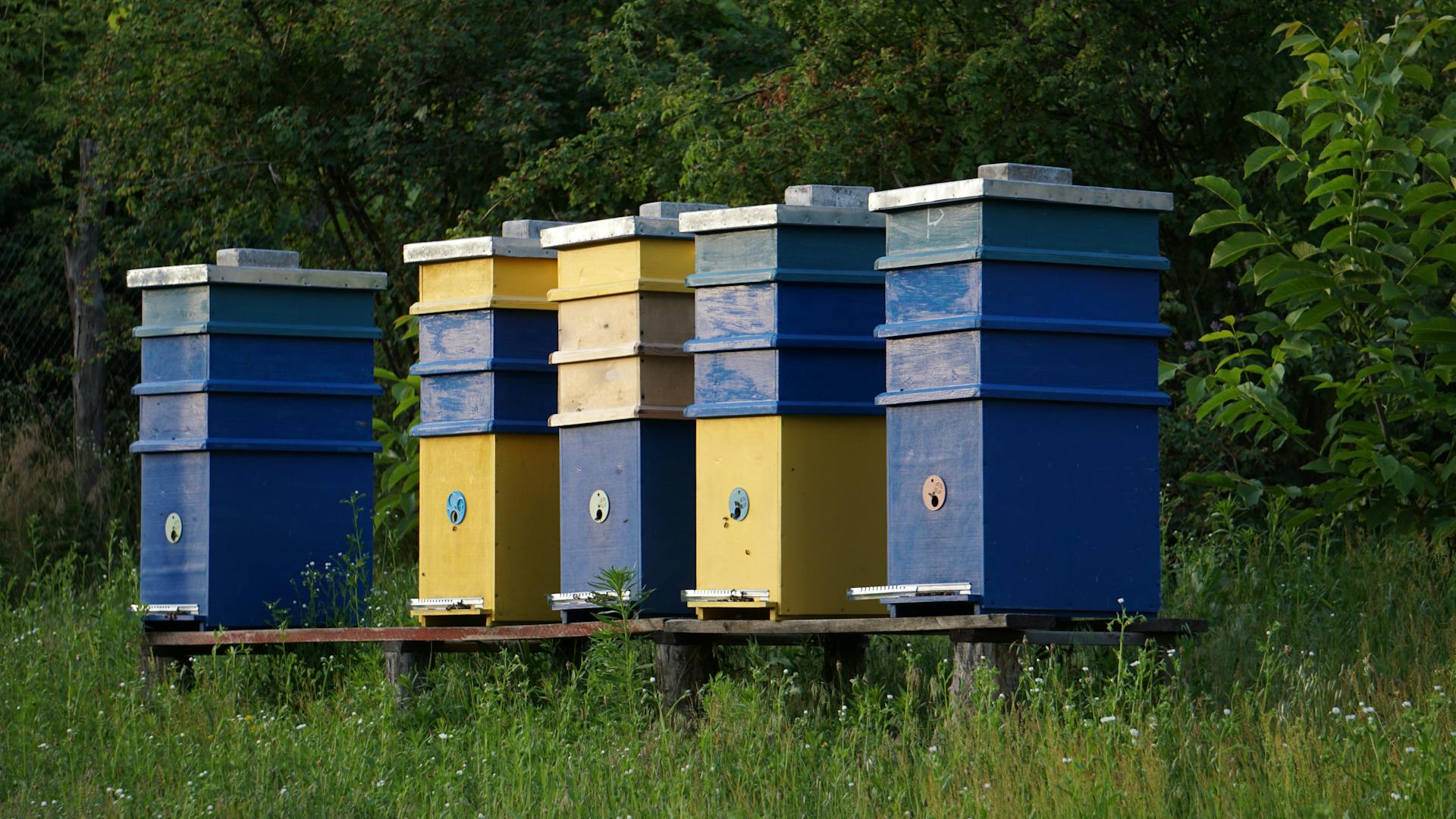
Starting your journey into beekeeping is exciting, but one of the first and most important decisions you’ll make is choosing the right bee hive.
The type of hive you select can significantly impact your bees’ health, your honey production, and how easy it is to manage your colony. With multiple hive styles available, it can be overwhelming for beginners to decide which one is best.
Let’s explore the most common types of bee hives, important factors to consider, and tips to help you select the perfect hive for your needs.
The Importance of Choosing the Right Hive
Selecting the appropriate beehive is more than a matter of personal preference. It plays a critical role in the success of your beekeeping venture.
The design of the hive directly affects the behavior and health of your bees by influencing how they construct comb, regulate internal temperature, and protect themselves from pests and diseases.
Moreover, your hive choice can determine how easily you can inspect, clean, and maintain the colony. Some designs allow for more efficient honey production and easier management practices. Additionally, the right hive can improve your bees’ adaptability to local climates, enhancing their chances of survival during seasonal shifts.
Lastly, your skill level as a beekeeper should guide your choice—while some hives are user-friendly and ideal for beginners, others are better suited for experienced apiarists.
Exploring the Most Common Types of Bee Hives
The Langstroth Hive
Arguably the most popular hive type among both hobbyists and commercial beekeepers, the Langstroth hive features a modular, stackable design with removable frames.
This standardization makes it easy to find replacement parts and compatible accessories. It is highly scalable, allowing you to add more boxes as your colony grows. The design also makes honey extraction relatively simple.
However, the Langstroth hive can be heavy, requiring significant lifting during inspections and harvesting, and it generally comes with a higher initial cost compared to other types.
The Top-Bar Hive
The top-bar hive is a horizontal hive that uses bars instead of frames, encouraging bees to construct their comb more naturally.
This design is gentler on the beekeeper’s back due to the lack of vertical lifting. It is also more affordable and simpler to build, making it appealing for those on a budget.
On the downside, top-bar hives typically produce less honey than Langstroth hives, and the comb is more fragile, which can make inspections and maintenance a bit more challenging.
The Warre Hive
Inspired by natural bee habitats, the Warre hive is a vertical system similar in appearance to the Langstroth hive but with smaller, more compact boxes. It is designed to mimic the interior of a tree hollow, providing a more natural living space for bees.
This hive requires less frequent management and is generally low-maintenance. However, it can be difficult to inspect thoroughly, which may not be ideal for beginners who are still learning the ropes of beekeeping.
The Flow Hive
A modern innovation based on the Langstroth model, the Flow Hive is known for its unique honey-harvesting mechanism that allows beekeepers to collect honey without opening the hive.
This user-friendly design minimizes disturbances to the bees during harvest. While it offers convenience and is beginner-friendly, the Flow Hive is considerably more expensive than traditional hives. It has also sparked debate among seasoned beekeepers who question its long-term impact on bee health and natural behavior.
Key Factors to Consider When Choosing a Hive
Understanding Your Beekeeping Goals
Your choice of hive should align with your objectives. Are you interested in producing honey, improving pollination in your garden, pursuing educational opportunities, or simply keeping bees as a hobby?
Each goal may favor a different type of hive. For example, if honey production is your priority, a Langstroth or Flow Hive might be the most suitable option.
Assessing Your Budget
Financial considerations play a major role in hive selection. Langstroth and Flow Hives tend to be more expensive due to their construction and accessories.
On the other hand, top-bar hives and DIY solutions are more economical, making them ideal for beginners or those with limited resources.
Considering Climate and Environment
The local weather conditions should influence your hive choice. In colder or wetter climates, it is important to select a hive that offers good insulation and effective drainage. Some hives are better suited to these environments than others.
Reviewing Legal Regulations
Before setting up your hive, check local beekeeping regulations and neighborhood policies.
Urban areas may have restrictions on hive types, placement, or the number of hives allowed. Ensuring compliance can prevent future conflicts.
Evaluating Your Experience Level
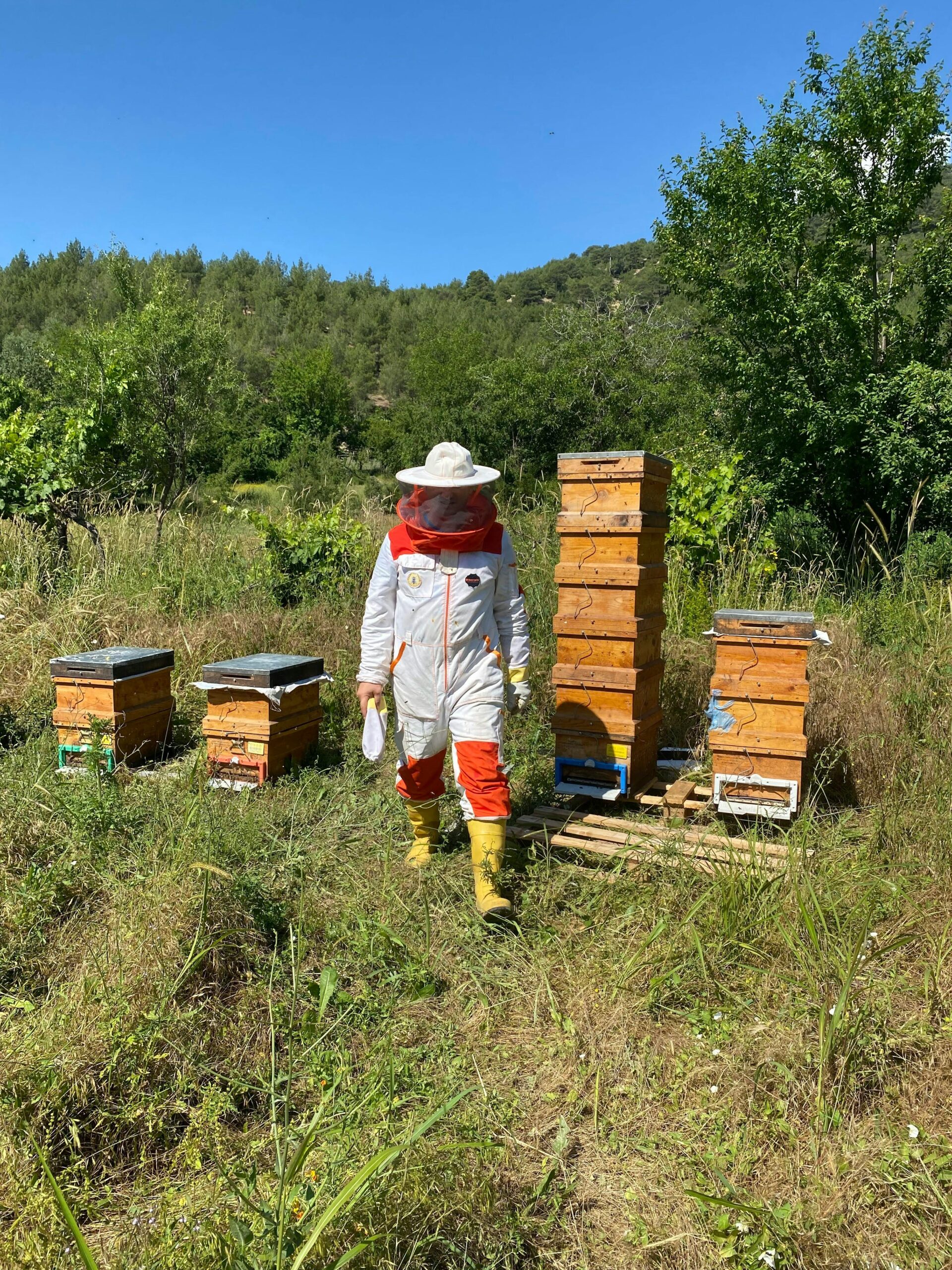
If you are new to beekeeping, starting with a hive that is easy to manage and well-documented, such as the Langstroth or Flow Hive, can enhance your learning experience and increase your chances of success.
More complex hives, like the Warre, may be better suited for seasoned beekeepers.
Choosing the Right Hive Material
The material of your hive also affects its performance and maintenance. Wooden hives are the most traditional and offer natural insulation and breathability.
They are widely used and blend well with outdoor environments. Plastic hives, on the other hand, are more durable, resistant to pests, and easier to clean. For those who enjoy hands-on projects, building your own hive can be a cost-effective and customizable option, although it requires time, tools, and a certain level of craftsmanship.
Essential Accessories for Your Hive Setup
In addition to selecting a hive, you will need essential beekeeping accessories to maintain your colony. A sturdy hive stand keeps the hive off the ground and improves ventilation.
Inner and outer covers help protect the hive from weather conditions. A queen excluder ensures the queen stays in the brood box, preventing her from laying eggs in honey supers. An entrance reducer helps regulate traffic and can protect against pests.
Beekeepers also require personal protective equipment such as a bee suit and gloves, along with a smoker and hive tool for inspections and hive management.
Expert Advice for Making the Right Choice
Making the right choice begins with education and community engagement. Speaking with local beekeepers or joining a beekeeping club can provide valuable insights and first-hand experiences.
It’s wise to start small, perhaps with just one or two hives, allowing yourself time to learn and adapt. Consider your long-term goals as well; selecting a hive that aligns with your future plans can save you time and money in the long run.
Selecting the right beehive is a foundational step in your beekeeping journey. Each hive type—whether it’s the widely used Langstroth, the ergonomic Top-Bar, the naturalistic Warre, or the innovative Flow Hive—comes with its own set of benefits and drawbacks.
By considering your goals, budget, climate, local regulations, and experience level, you can make an informed decision that supports a thriving, productive bee colony.
Ready to get started? Visit TechAnimalHub.com for more resources and expert guides to help you succeed in beekeeping.