If you rear chickens, turkeys, or other poultry, one disease you must take seriously is fowl pox. This viral infection spreads slowly but causes long-lasting damage. It reduces egg production, slows growth in young birds, and in severe cases, leads to death.
Many farmers dismiss fowl pox at first because it starts as harmless-looking scabs. However, if ignored, it can cause heavy financial losses.
To protect your flock and profits, it is important to understand the disease, recognize its signs, prevent it effectively, and consult a poultry veterinarian.
What is Fowl Pox?
Fowl pox is a viral disease caused by the fowlpox virus. It appears in two main forms:
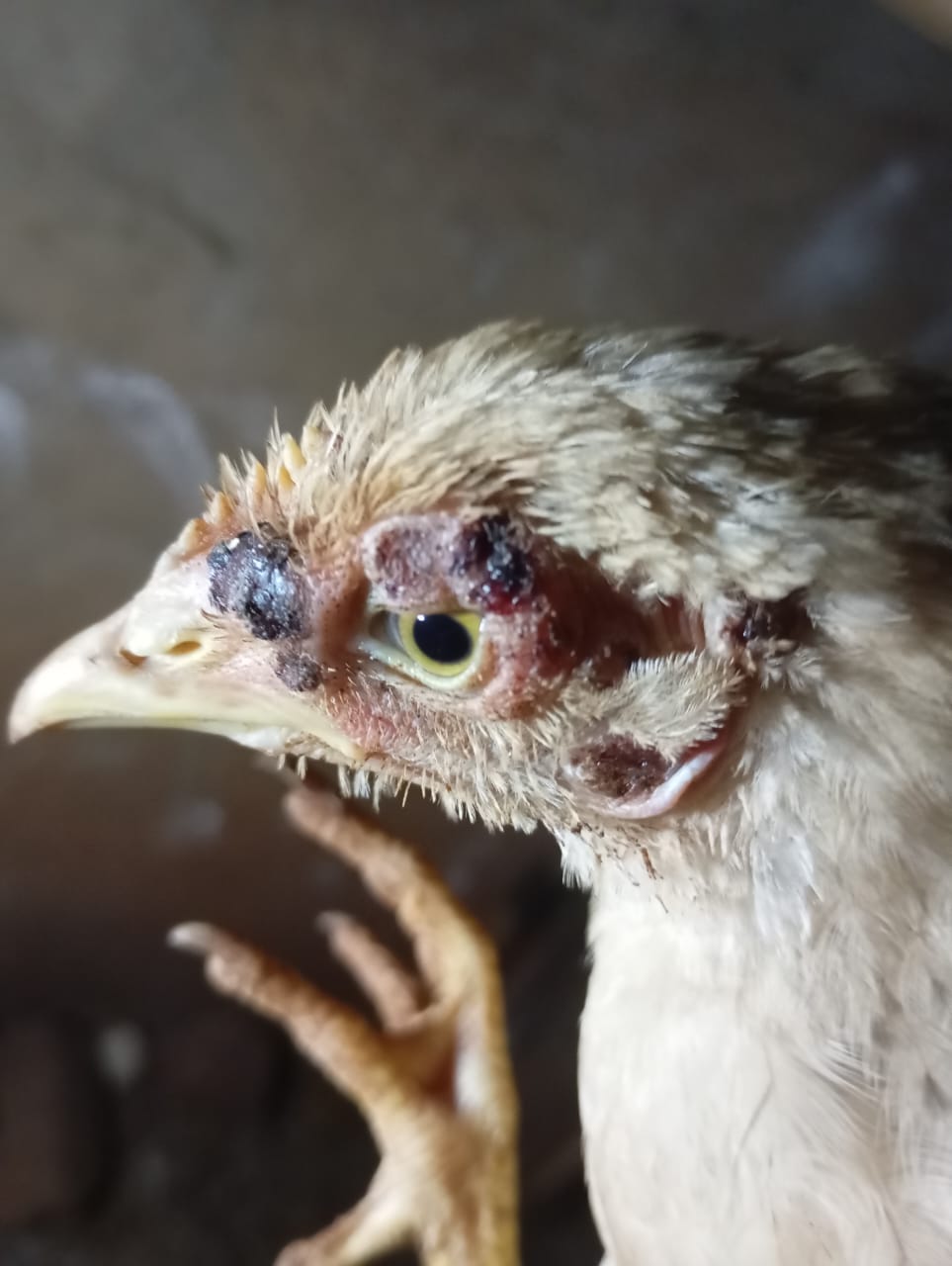
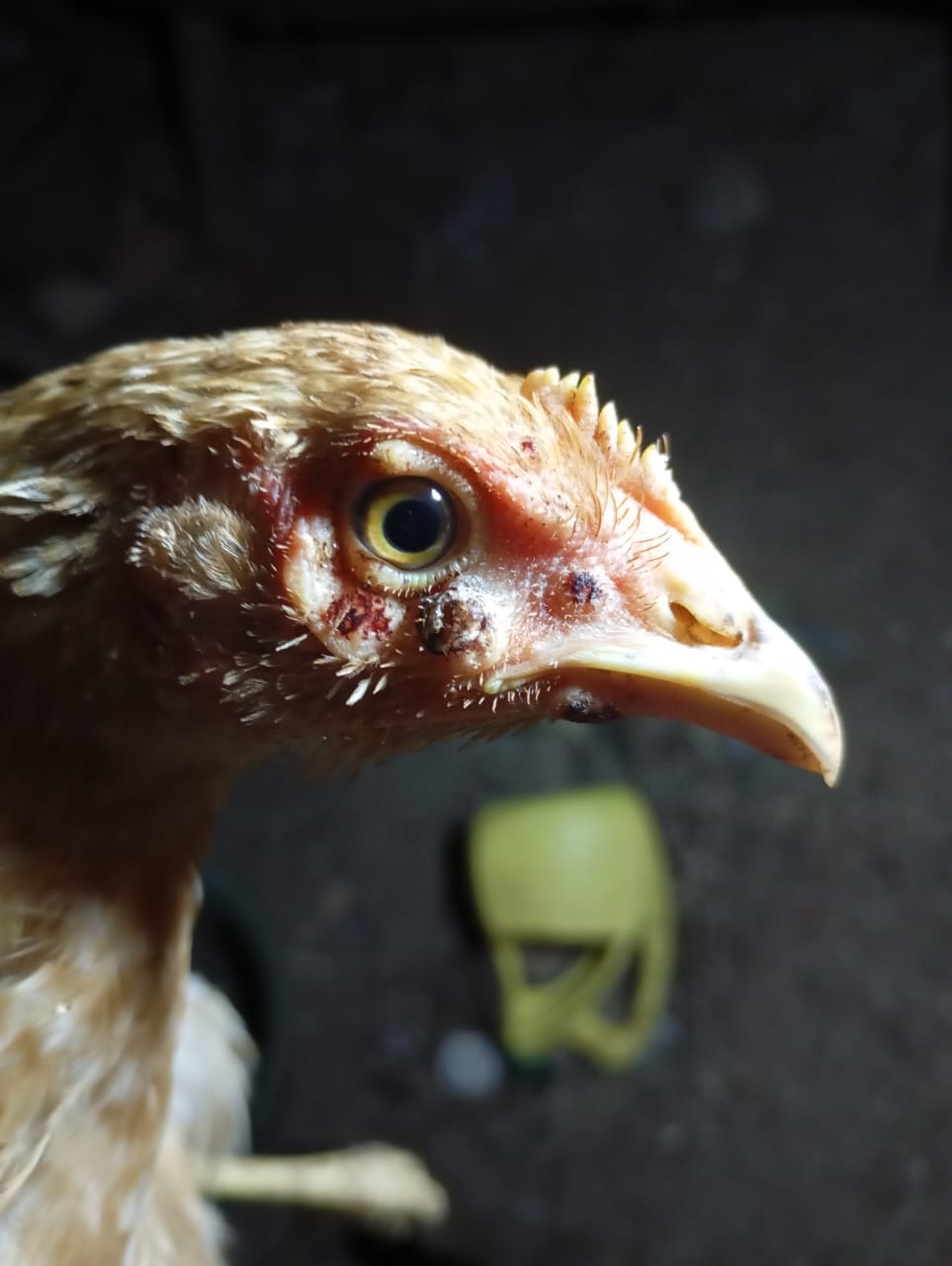
Dry (cutaneous) form – causes wart-like scabs on the comb, wattles, eyelids, and legs. These heal slowly and may leave scars that lower the market value of birds.
Wet (diphtheritic) form – develops inside the mouth, throat, and windpipe, producing thick yellow or white growths. These block airways, making it hard for birds to breathe or swallow feed.
The disease spreads mainly through mosquito bites but can also move from bird to bird through direct contact, contaminated water, feed, and equipment. Farms with many mosquitoes and poor biosecurity are at the highest risk.
Economic Impact on Poultry Farmers
Fowl pox does not always kill birds, but its financial impact is heavy. In laying hens, egg production can drop by 10–50%. For farmers who depend on daily egg sales, this is a major loss.
Broilers and chicks also suffer, as they eat less and grow slower. This leads to longer production cycles and higher feed costs, since birds take more time to reach market weight.
In severe outbreaks, especially of the wet form, mortality can be high. Farmers may lose a large portion of young chicks. Combined losses from poor egg output, slow growth, higher expenses, and deaths can wipe out farm profits.
Even if only a few birds show signs, act fast. Fowl pox spreads slowly but steadily and can affect the whole flock if ignored.
Signs and Symptoms
Farmers should watch closely for signs of fowl pox.
In the dry form, birds develop scabs and nodules on combs, wattles, eyelids, legs, or around the vent. These resemble warts and take weeks to heal. Infected birds often appear weak, eat less, and look dull.
In the wet form, symptoms are more dangerous. Birds may show cheesy or yellow growths in the mouth, throat, or windpipe. They struggle to eat or drink and may gasp or cough due to blocked airways. Sudden deaths often occur, especially in chicks.
The wet form looks similar to other poultry diseases. Always consult a vet for a correct diagnosis instead of assuming.
Prevention and Control
There is no cure for fowl pox. Once birds are infected, farmers can only provide supportive care. Prevention is the most effective and affordable option.
Vaccination
Vaccination is the best protection against fowl pox. Chicks should be vaccinated at six to ten weeks old using the wing-web method. A single dose usually provides lifelong immunity. To avoid mistakes, always consult a veterinarian for the correct timing and method.
Mosquito Control
Because mosquitoes carry the virus, farmers must destroy their breeding grounds. Drain puddles, clean gutters, and remove stagnant water near the poultry house. Using mosquito nets or mesh screens helps reduce mosquito entry into houses.
Biosecurity Measures
Keep new birds in isolation before mixing them with the flock. Regularly clean and disinfect drinkers, feeders, and equipment. Limit visitors, tools, and vehicle movement between farms to reduce the risk of spreading the virus.
Good Poultry Management
Strong birds resist disease better. Provide a balanced diet, constant access to clean water, and stress-free housing. Keep houses clean, well-ventilated, dry, and not overcrowded.
Why Consult a Veterinarian?
Many farmers try to manage fowl pox on their own using local remedies or advice from neighbors. While this may look cheaper, it usually leads to more losses.
A qualified veterinarian can confirm whether your birds really have fowl pox or another similar disease. They will guide you on proper vaccination programs, supportive care during outbreaks, and biosecurity plans to prevent future infections.
Think of your vet as part of your farm team. The small cost of consultation is nothing compared to the money you can lose from reduced egg production, high mortality, and wasted feed.
Key Takeaways
Fowl pox is a viral poultry disease with two forms: the dry form causes scabs on combs and wattles, while the wet form produces throat lesions that make breathing and eating difficult. It spreads through mosquitoes, direct contact, and contaminated equipment.
The disease causes losses through reduced egg production, poor growth, higher feed costs, delayed market age, and chick deaths. Since there is no cure, the best strategy is prevention through vaccination, mosquito control, biosecurity, and good management.
Most importantly, never rely on guesswork. Consult a poultry veterinarian for diagnosis, vaccination advice, and long-term disease prevention strategies. Healthy birds mean steady profits and peace of mind.