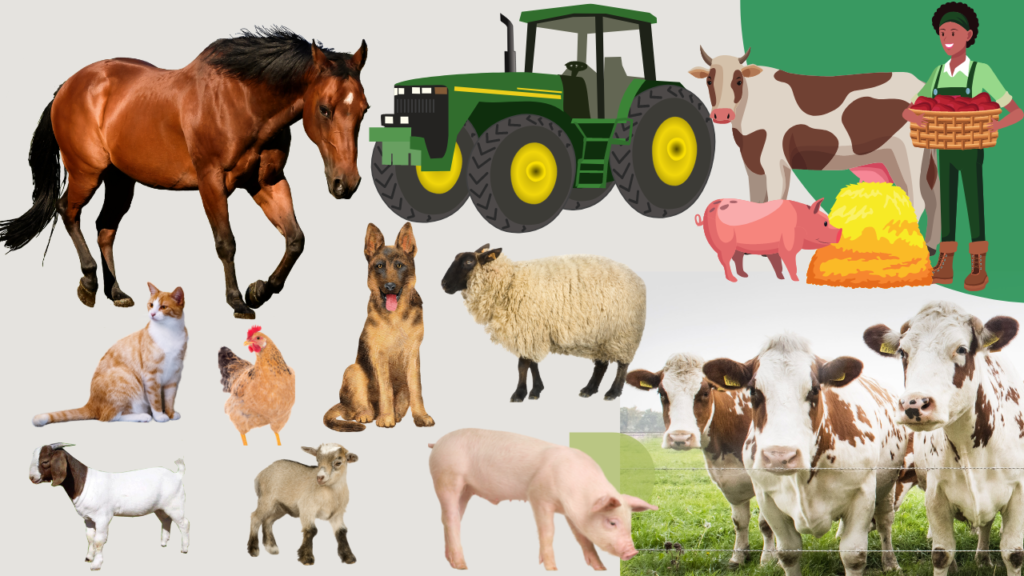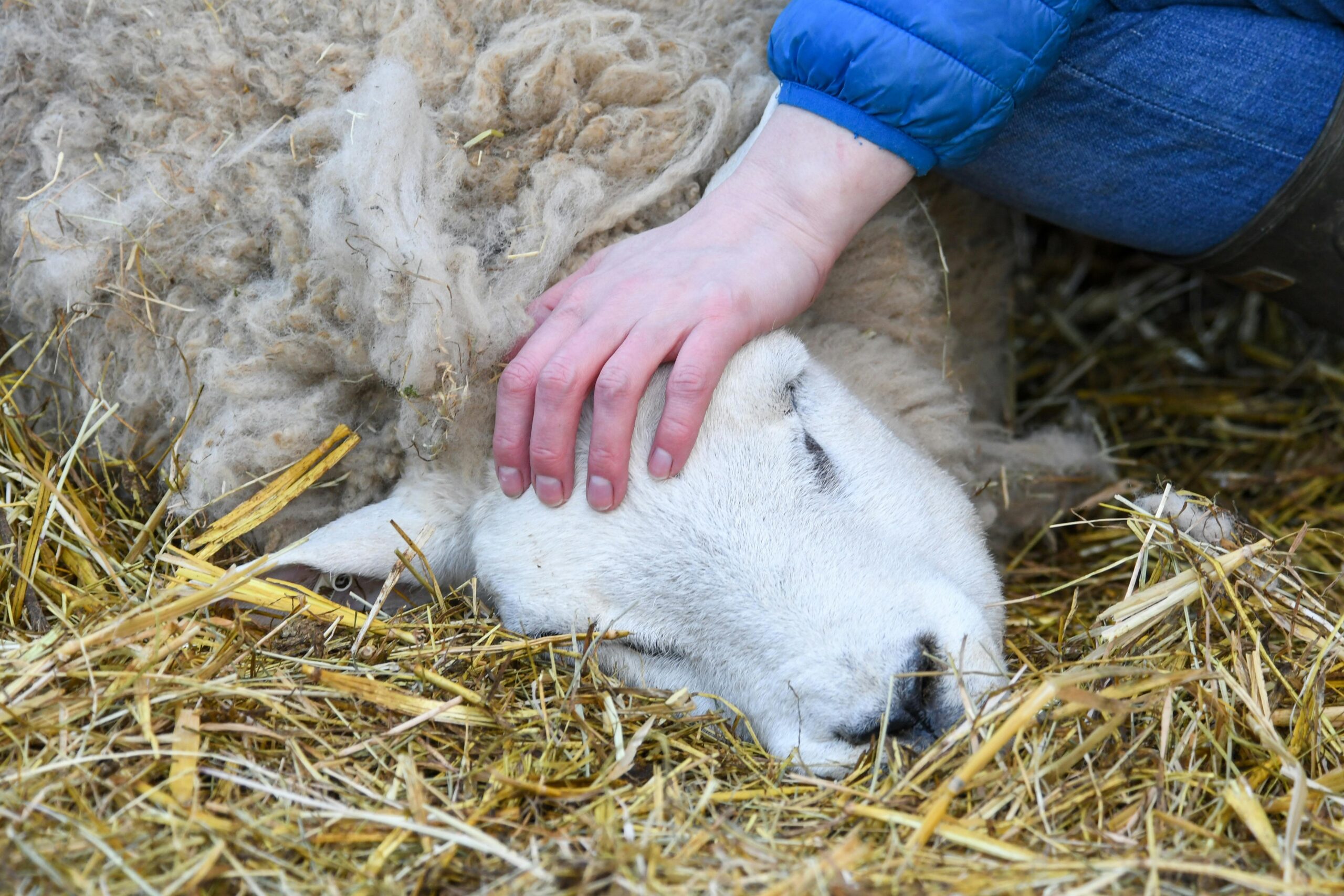
Livestock farming supports millions of families and drives food security around the world. Yet, behind every thriving herd lies an invisible threat—infectious diseases.
A single outbreak can undo years of progress, causing reduced productivity and major financial loss.
What makes this challenge so dangerous is that many farmers unknowingly sustain it through repeated infection and reinfection. Understanding how the disease cycle works is the first step toward breaking it for good.
Every infectious disease follows a predictable path called the disease cycle. By understanding this process, farmers can identify where to intervene and stop transmission before it spreads through the herd.
Pathogen Entry
The cycle begins when a disease-causing organism, known as a pathogen, enters an animal’s body. It may come from contaminated feed, soil, or water, or through contact with sick animals. Insects, ticks, or unhygienic handling practices can also carry infection.
Foot-and-Mouth Disease spreads through saliva and mucus, while Brucellosis can pass to healthy animals through infected milk or afterbirth. Even one infected animal can set off an outbreak that threatens the entire herd.
Carrier Animals
After infection, some animals become carriers. They may look healthy, but continue to release pathogens through saliva, milk, or manure. This silent infection often goes unnoticed and keeps the disease alive within the herd.
A cow that recovers from Foot-and-Mouth Disease, for example, may still shed the virus for months. Carriers are therefore hidden sources of infection, capable of spreading disease long after symptoms disappear.
Environmental Contamination
Pathogens do not remain inside animals alone—they contaminate the surroundings. Bedding, manure, feed troughs, and even water sources can become breeding grounds for infection. Insects, vehicles, and workers can unknowingly carry these pathogens from one area to another.
This is why good hygiene and farm biosecurity are essential. Disinfecting pens, cleaning tools, and controlling visitors can significantly reduce environmental contamination and disease spread.
Transmission to Healthy Animals
Once the environment is contaminated, healthy animals become easy targets. They may drink from polluted troughs, graze near infected manure, or lick contaminated surfaces. In intensive systems, where animals are kept close together, infection spreads rapidly and silently.
Within days, what began as a single case can turn into a full-blown outbreak affecting the entire herd or flock.
Reinfection and Persistence
Even after visible symptoms subside, pathogens can persist in carrier animals or survive in the environment for years. Anthrax spores, for instance, can remain active in the soil long after an outbreak is over.
When animals face stress, poor nutrition, or unfavorable weather, their immunity drops—creating ideal conditions for reinfection. This cycle of recovery and relapse traps many farms in continuous disease challenges.
Why the Disease Cycle Is So Dangerous
The greatest danger of the disease cycle lies in how quietly it spreads. By the time symptoms appear, the infection is often widespread. Farmers lose animals, income, and access to profitable markets before realizing what happened.
Outbreaks reduce milk yields, fertility, and weight gain, increasing production costs. Some diseases, such as Brucellosis and Anthrax, are zoonotic, meaning they can infect humans. The result is not just livestock loss, but a direct risk to community health and livelihoods.
The cycle also damages market’s reputation. Buyers and processors prefer animals from certified disease-free farms. Repeated outbreaks make it harder for farmers to sell, trade, or access export markets, trapping them in a pattern of economic loss.
How to Break the Cycle
The good news is that this cycle can be broken through proactive prevention. Among all control strategies, vaccination remains the most reliable and cost-effective. Vaccines strengthen the immune system so that animals can recognize and fight disease before it takes hold.
When most animals in a herd are vaccinated, herd immunity develops. This makes it harder for pathogens to spread or survive in the environment. Clean housing, proper feeding, and timely veterinary checks complement vaccination, creating a strong line of defense.
Practical Steps for Farmers
- Breaking the disease cycle starts with awareness and discipline. Farmers should observe animals daily and isolate any showing unusual signs.
- Regular cleaning and disinfection of pens, feeding tools, and water points should become routine.
- Consulting a qualified veterinarian helps in building an appropriate vaccination and deworming schedule.
- Educating farm staff about hygiene, disease recognition, and biosecurity also ensures everyone plays a role in maintaining herd health.
Building a Safer, Healthier Farm
Understanding the disease cycle empowers farmers to act before problems begin. It turns disease control from a reaction into a prevention strategy.
By improving hygiene, managing carriers, and adopting timely vaccination, farmers protect their animals, income, and communities.
The fight against recurring livestock diseases begins with knowledge—and knowledge starts here.
Continue Learning
Read the next part in this series:
How Vaccination Breaks the Disease Cycle and Protects Your Farm
Also explore:
Building an Effective Vaccination Plan for a Healthier Farm
Join the Conversation
Have you faced recurring disease issues on your farm? Share your experience or questions in the comments below. Let’s build a stronger, healthier livestock community together.